Spiced Chocolate Cake

This cake started out life as something different. In it’s original form it took inspiration from Bejamina Ebuehi’s “Hidden Pear Cake” from her book The New Way To Cake (which I thoroughly recommend). I loved the idea of having the pear fruit cheekily peaking though the ginger cake loaf, inviting you to dig in and explore what lies beneath. In one of my typical left of centre epiphanies I found myself reminiscing about a favorite childhood dessert- Pear Belle Helene. There always seemed to be something so refined and regal about this desert in my mind. Even now it conjures up images of sophistication and elegance- ivory pears poached to sweet, glistening tenderness slick with silky, warm chocolate syrup swirling hypnotically with pear syrup and melting vanilla ice cream.- each bite a sweet, sandy indulgence. So? could I create this in a cake? Well check out my IG feed for more details.

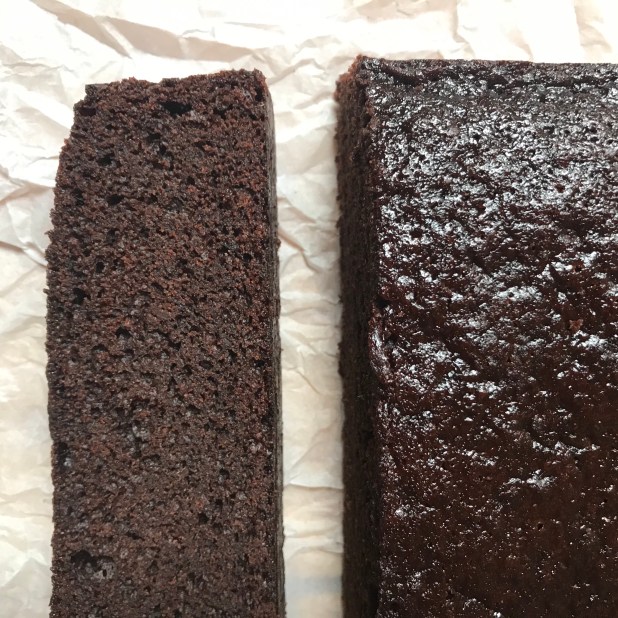
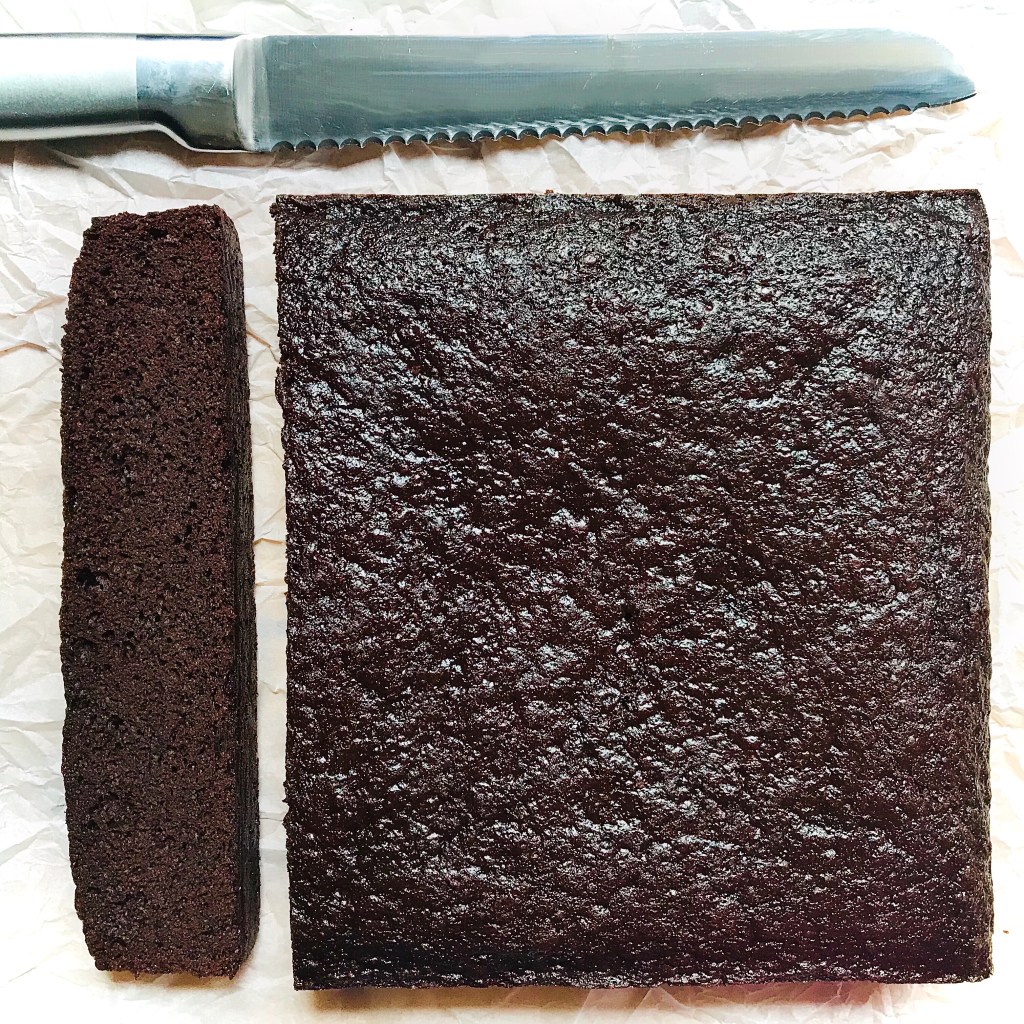
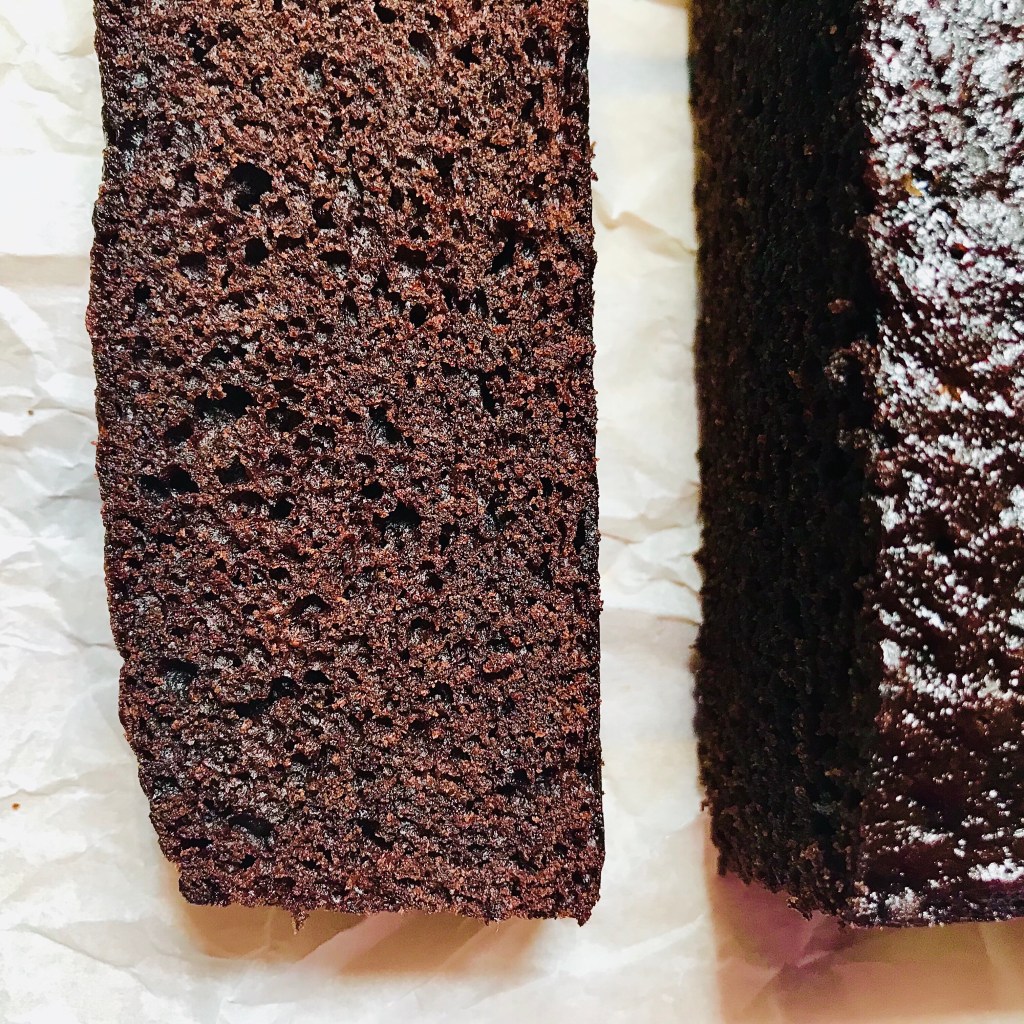
The resulting cake was good enough that I wanted to make it the feature on it’s own- fudgey, rich chocolate cake with a warming spiced undercurrent. For those of you in Ireland and the UK it has more than a passing resemblance to the infamous McVities Jamaica Ginger Cake. Here however the spicy ginger it is pared down a notch so it works in tandem with the rich chocolate flavor of the cake. Allowing this cake to sit for a day allows the texture and flavors to really develop. I would recommend making the cake and let to sit for at least a day in an airtight container at room temperature and bam! you’ll hit that sweet spot.

Now I’m somewhat of a puritan when it comes to eating cake. Not for me the silky adornment of cream or the smooth chilly sensations of ice cream- I like mine sliced pure & simple and this cake is a treat as such. However I do know that it tastes just as awesome when gently heated adjacent to a scoop of vanilla ice cream, or tenderly enrobed in smooth custard. The choice is yours.

Ingredients

  • 1 cup all-purpose flour
  • 1/2 cup cocoa powder
  • 3/4 tsp baking soda
  • 1/4 tsp salt
  • 2 tsps ground ginger
  • 1 tsp ground cinnamon
  • 1/4 tsp ground cloves
  • 1/2 cup Canola oil
  • 1/2 cup fancy molasses
  • 1/4 cup orange juice
  • 3/4 cup dark brown sugar
  • 2 eggs
  • 1/2 tsp vanilla extract
  • 1/2 tsp chocolate extract
  • 1/4 cup whole milk

Method

  • In a bowl combine the flour, cocoa, baking soda, salt and spices. Whisk to combine and set aside until needed
  • Combine the oil, molasses, juice and sugar in a small saucepan. Set it on low heat and stir till the sugar has dissolved. Set aside to cool for about 10 minutes
  • Preheat your oven to 325 degrees F. Grease an 8″ x 8″ square cake pan with oil or line it with baking parchment and allow the edges to overhang for easy removal
  • Transfer the cooled molasses mixture to a large mixing bowl and add in the eggs, vanilla and milk. Whisk well until smooth and well combined
  • Fold in the flour mixture gradually into the liquid until incorporated. Make sure the there are no pockets of dried flour mixture. The final batter may look a little lumpy- this is okay
  • Pour the batter into the prepared tin, level the top and bake for 35 to 40 minutes until a toothpick inserted into the center comes out clean. If the top is darkening quickly, cover the tin loosely with foil and continue baking
  • Allow the cake to cool in the tin for 15 minutes, then remove and place on a wire rack to cool completely before slicing. Store in an airtight tin for about 3-4 days at room temperature, or refrigerate, tightly wrapped, for a week
Toffee Apple Oat Cookies

28f2d31c-c648-4e78-8ba7-5da4c8d4e2ec

Toffee apples are a signature childhood treat. Whether they conjure memories of sparkling carnivals and fairgrounds, or bring back memories of briny seaside meanderings the gloriously sticky treat is always sure to bring a smile to faces young and old.

When I was growing up Toffee Apples were synonymous with day trips to the beach. I much preferred them to ice cream cones, which I thought were far too over rated and messy, not to mention deceivingly bland! My inclination was much more for the glossy crimson globule on a stick. I say crimson as that’s the kind I grew up with. These weren’t coated in a sweet layer of tawny caramel. The toffee apples of my childhood were instead dipped in a rouge sugar syrup at hard-crack stage which set to a glossy, glass-like layer ready to shattered under eager bites and reveal the juicy tart fruit beneath. You’ll have to forgive me for indulging verbosely here. Family jaunts to the seaside were few and far between and lingering triggers for them are particularly powerful. Needless to say it was a constant question to my younger self, ” This red stuff isn’t like any toffee I know so why are they called Toffee Apples?”. Such were the juvenile mysteries that plagued me.

Over time I learned that the red hard-crack layer was easier to make and maintain on site (and let’s face it probably cheaper too!) I learned that the gleaming red orbs of my youth were in fact correctly named, “Candy Apples” and Toffee Apples as should have a layer a sticky sweet toffee, in the more familiar shade of brown, as their dressing. But who was I to argue with a childhood full of sweet cochineal-fueled indulgence!

You can rest easy though. This recipe contains neither glassy red shards nor ruby bug extracts. You’ll of course know by now I have a weakness for oat cookies. And if they happen to be oat cookies that have been pimped up with a lil’ something then all the better. These are my homage to the classic Toffee Apple in all it’s beige, sticky goodness- albeit without the frustratingly wobbly perching on a ice-pop stick! As a combination themselves, outside of nostalgia, caramel and apple worked exceptionally well with oats, in my view. There’s something about the mellow combination of toffee and oats that instantly induces shoulder-slumping comfort & coziness. Chuck in some bites of apple and you introduce enough tart interest to compliment to earthiness of the other two. I’ll leave the beverage of choice to you – coffee, tea or dunking in to cold glass of milk. All are ideal and highly suggested.

Ingredients

  • 1 cup (2 sticks) salted butter, softened
  • 1 cup light brown sugar, packed
  • 1/2 cup granulated sugar
  • 1 1/2 cups All Purpose flour
  • 1 teaspoon ground cinnamon
  • 1 teaspoon apple pie spice
  • 1 teaspoon baking soda
  • 1 teaspoon salt
  • 2 large eggs
  • 1 tablespoon fancy molasses
  • 1/4 cup maple syrup
  • 1 teaspoon vanilla extract
  • 2 cups whole rolled oats
  • 1 cup quick oats
  • 1/2 cup toffee pieces
  • 1 cup dried apple pieces, (or dried slices chopped)

Method

  1. Whisk the flour, cinnamon, apple pie spice, baking soda, and salt together in a medium bowl. Set aside until needed
  2. In the bowl of a stand mixer, fitted with a paddle attachment, beat the butter and sugars on medium-high speed until blended, about 5 minute, then increase to high speed and whip for another 5-6 mins
  3. In a jug combine the eggs, molasses, maple syrup, vanilla and whisk to combine.  Add to the butter mixture and beat for 3 minutes until combined. Scrape down the sides and beat again as needed to combine
  4. Add the dry ingredient mixture to the wet ingredients (I usually do it in 1/4 cup increments) and mix on low until combined. Remove the bowl from the mixer and fold in the oats until well coating
  5. Next add in the toffee pieces and apple pieces. Mix well until fully combined. The final dough will be thick and sticky.
  6. Cover and chill the dough for at least 45 minutes in the refrigerator
  7. Preheat oven to 350°F (177°C). Line baking sheets with parchment paper or silicone baking mats
  8. Use a medium cookie scoop (about 2 tablespoon size) to scoop the cookie dough on to the prepared baking sheets, placing 2 inches apart 9 (I usually fit 12 per sheet). Bake for 17 minutes or until the edges are golden brown. The centres will look soft.
  9. Remove from the oven and allow cookies to cool on the baking sheet for 5 minutes before transferring to a wire rack to cool completely
  10. Cookies can be kept at room temperature in a sealed container for up to 1 week

img_7846

Chester Bread (aka Gur Cake)

img_7744

If you’ve followed my recipe blog for some time you’ll have no doubt have noticed that my childhood has various landmarks in the form of baked goods- Soda bread; Cheesecake; Queen of Puddings. This is yet another one of those anchor points with which nostalgia comes crashing in waves.

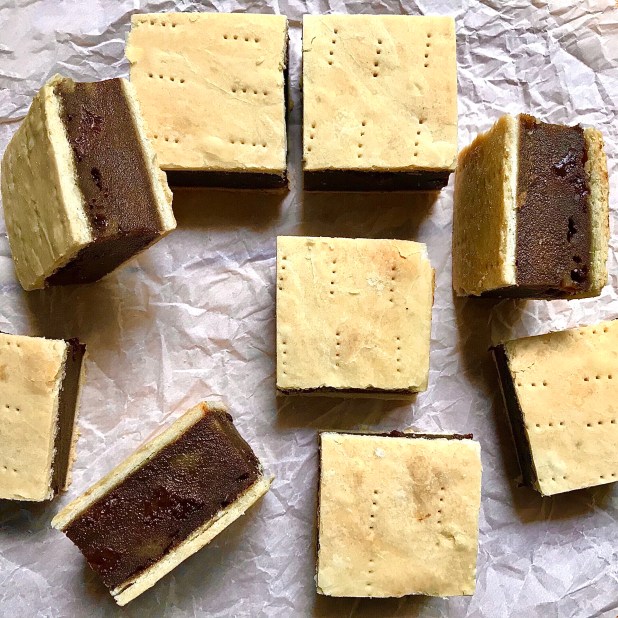
Known by various names including Gur Cake; Chester Slice; Donkey’s Gudge, it was Chester Bread that I knew this by growing up in South-East Ireland. Many an early adolescent afternoon was spent munching on these en route to my childhood home from school- oblivious to not only the background the baked treat I clutched but also ignorant to dubious history of where I was buying them from. My only preoccupation was how could something so delicious be so cheap!

At the bottom of the hill to my school was a building known simply to us as “The Good Shepherds”. All I knew of it, at the time, was that it was a convent and former orphanage. The expression “If you don’t behave I’ll take ya to The Good Shepherds” was frustratingly hissed by many a Waterford parent to the offspring, uttered in ominous overtones akin to summoning The Boogey Man. A fuller investigation later in life revealed the title of the building to be The Good Shepherd Magdalene Asylum (Laundry) and Orphanage, Without going in to it in too much detail it was one of number of locations of a religious order whose ethos and modus operandi was of a particularly sordid and horrific nature.  A sordid blemish on the hem of Ireland’s pious petticoat. Google it if your’re intreest has been piqued- but consider yourself forewarned.

The main institute had ceased operation in 1982, however there were still some occupant nuns in residence and as a means of charitable support income they ran a small bakery onsite. It was here that myself and many another transient school-goer would purchase our after-school sugar rush. Chester breads; Vanilla Slices (a more rustic version of Mille-feuille with pastry, vanilla custard filling and water icing topping) and cream doughnuts (think Long John doughnuts filled with jam and cream) were all greedily snapped up to the point of selling out.

Whilst they all would bear mentioning, as nostalgia renders them supremely tasty, it’s Chester Bread that brings us here today. I’ve already mentioned that this bake is known throughout Ireland under various monikers such was its popularity. Originally used in the 19th century as a novel, but nonetheless innovative, method to use up stale offcuts and surplus bakes in bakeries, the cake was inexpensive to make using a basic recipe template of filler, binder and sweetener. The finished bakes were then sold cheaply (but not so cheap as to not yield a profit) to youngsters playing truant from school as something to fill the gap until dinner. In Ireland, particularly Dublin, such kids were called “gurriers” who would “mitch”, “mooch” or just generally bunk off school. Hence the ‘Gur Cake” name. I have yet to unearth the link as to why it’s called ‘Chester Bread” where I grew up when that name is apparently derived from it’s place of origin in Chester in the United Kingdom. As for the ‘Donkey’s Gudge” version? I don’t know what a donkey has to do with it, let alone what their gudge is! Feel free to comment should you be able to shed some light here.

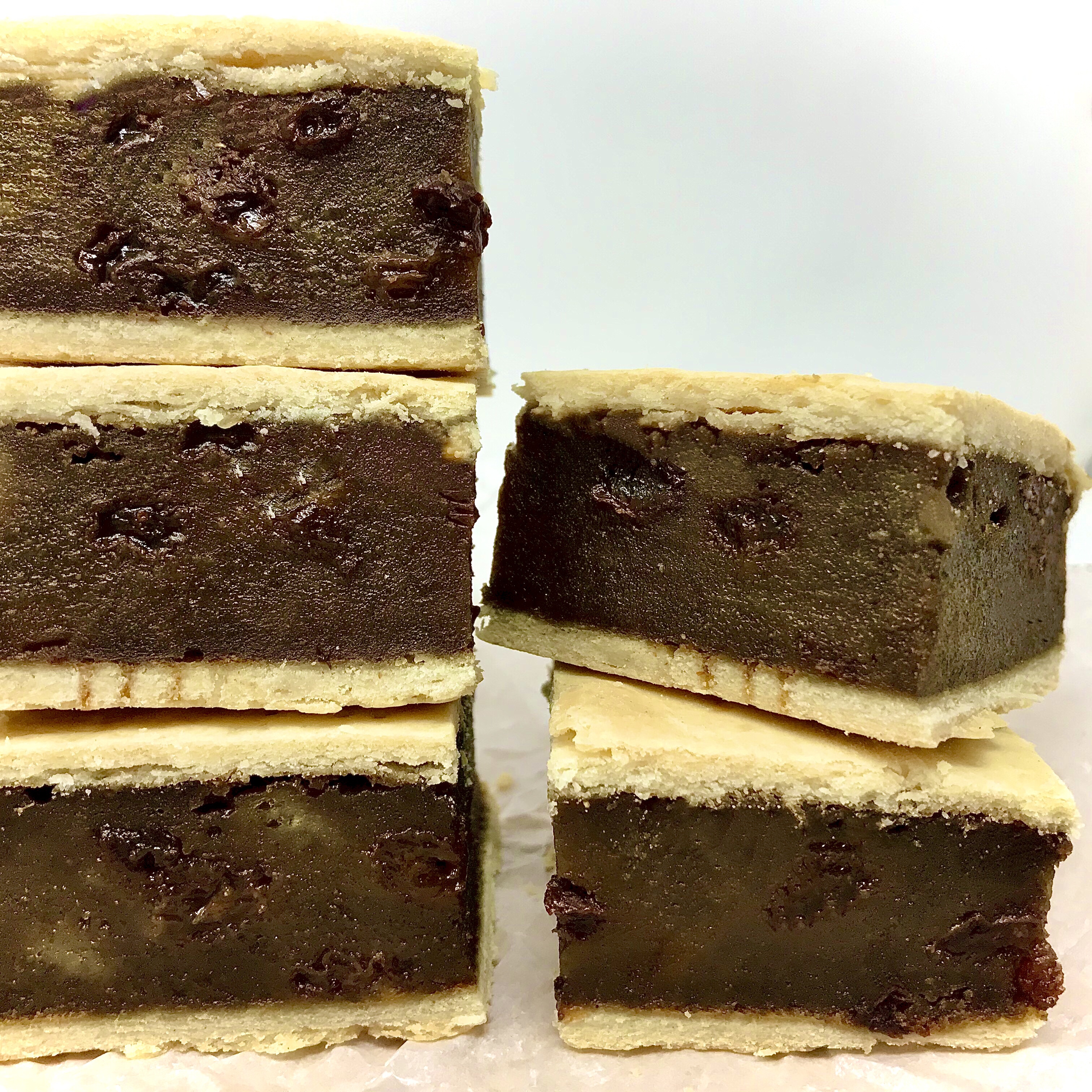
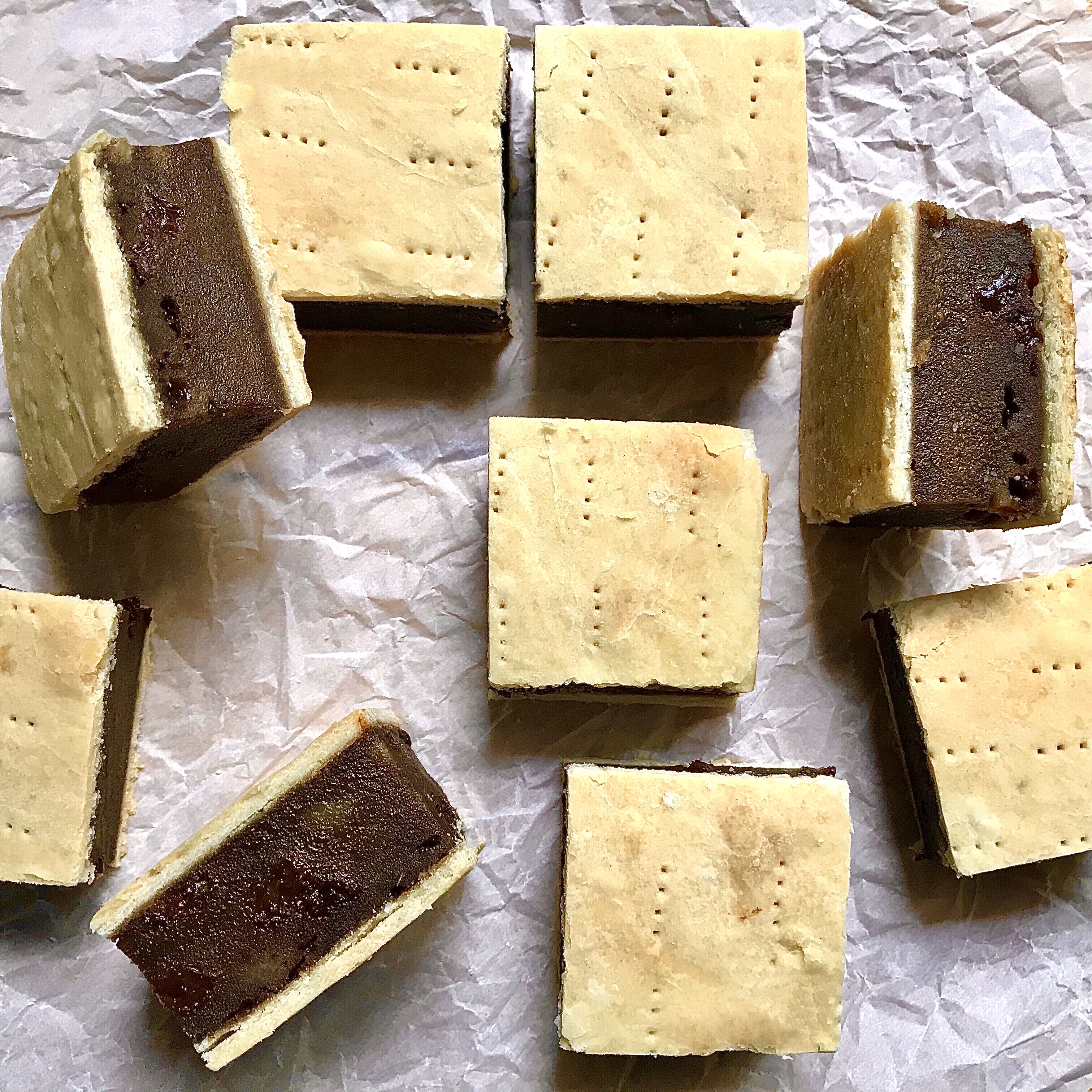
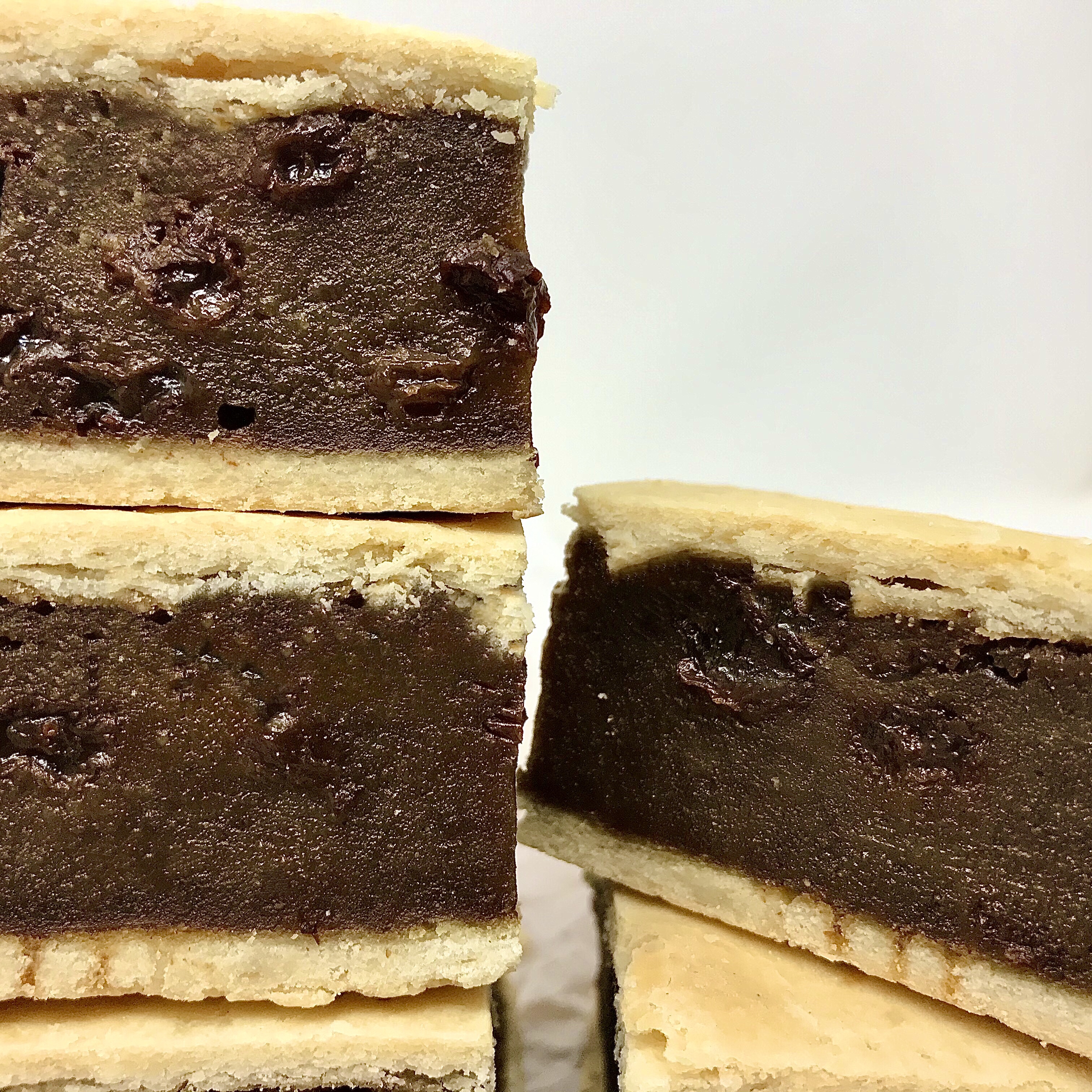
Whatever way you call it, I find that the finished bake is definitely memorable. What starts as simple stale bread is baked to a fudgy, slightly gelatinous, sweetly spiced filling. It’s almost like a dense ginger cake. I’m sure the pastry serves as nothing more than a utilitarian purpose to allow the filling to be handled with minimal mess. Try it out and see what you think. It’s an ideal accompaniment to a cup of tea- perhaps whilst researching The Magdalene Laundries?

Ingredients

Shortcrust pastry

  • 2 1/2 cups All purpose flour
  • 3/4 cup Butter, cold and diced
  • 1/4 tspn salt
  • 3 tbspn ice cold water
  • Flour, for dusting

Filling

  • 15 Slices of bread, at least 1 day old
  • 1 1/2 cups Cold strong tea (preferably Irish)
  • 1 cup, packed Brown sugar
  • 2 tbspns Mixed spice
  • 1 tspn Baking powder
  • 1/2 cup All purpose flour
  • 1/4 cup Salted butter, cut into pieces
  • 1 cup Raisins
  • 2 tbspn Treacle
  • Icing or fine sugar for dusting, optional

img_7752

Method

To make shortcrust pastry

  1. Combine the flour and salt into a bowl, coarsely rub in the butter/margarine. Continue to rub together until you have the texture of coarse meal. Some pea-sized granules of butter may remain
  2. Sprinkle over the water  and bring the ingredients together to make a soft dough. Additional water may be needed depending on your kitchen’s temperature/ humidity
  3. Lightly knead to bring it together in a ball. Flatten to a disc, wrap in cling wrap and refrigerate until needed

*Pastry is best chilled before rolling.

To make filling

  1. Preheat your oven to 375°F
  2. Grease and line a 9′ x 9′ tin (2″ high)
  3. Remove the crusts from the slices of bread and lie in a shallow casserole or baking dish.
  4. Pour over the cold tea and leave to soak for 1 hr
  5. After the hour, drain of any excess tea and using a fork mash the wet bread to thick pulp
  6. In a large bowl combine the flour, baking powder, sugar and mixed spice, stirring well to combine
  7. Rub in the cold diced butter until you have something that resembles coarse meal in texture (similar to making the pastry above)
  8. Add the bread mixture and treacle to the other flour/ sugar/ spice mixture and stir well to combine

To assemble

  1. Remove the pastry from the fridge and divide into 2
  2. Roll one 1/2 of the pastry large enough to fit your baking tin and use to line the bottom of it. Prick the pastry all over with a fork or knife
  3. Pour and spread the bread mixture over this pastry layer
  4. Roll the remaining pastry to fit the top of the tin and place over the filling, pressing to form a lid. Again prick the second layer of pastry all over with a fork or knife (helpful hint: I roll to size and prick BEFORE placing the pastry lid on to the filling. This stops the pastry being pushed down into the soft filling mixture)
  5. Bake in your preheated oven for 1 hr, after which remove and let to cool completely in the tin. The finished bake should have firmed up considerably but still have a slight wobble. Dust with sugar if using.
  6. Once fully cooled, cut into squares (using this tin I usually divide into 4 x 4)
  • The finished Chester bread can be dusted with sugar or left plain if preferred
  • Baked Chester bread can be stored in an airtight container at room temperature for up to 4 days

img_7746


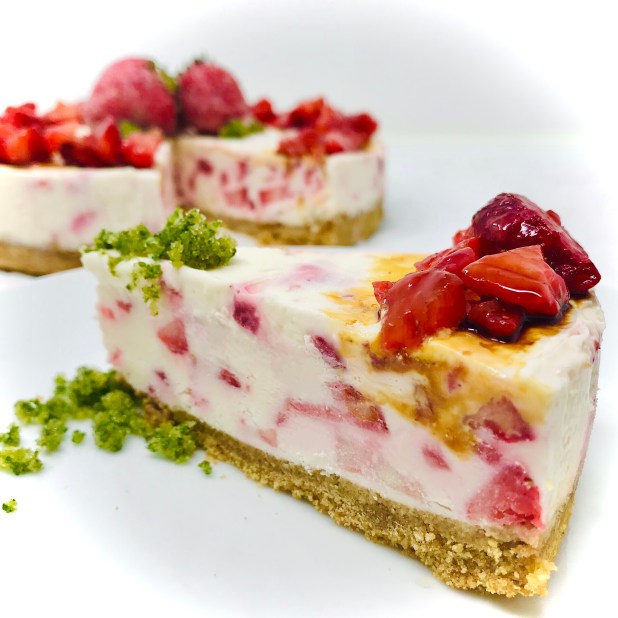
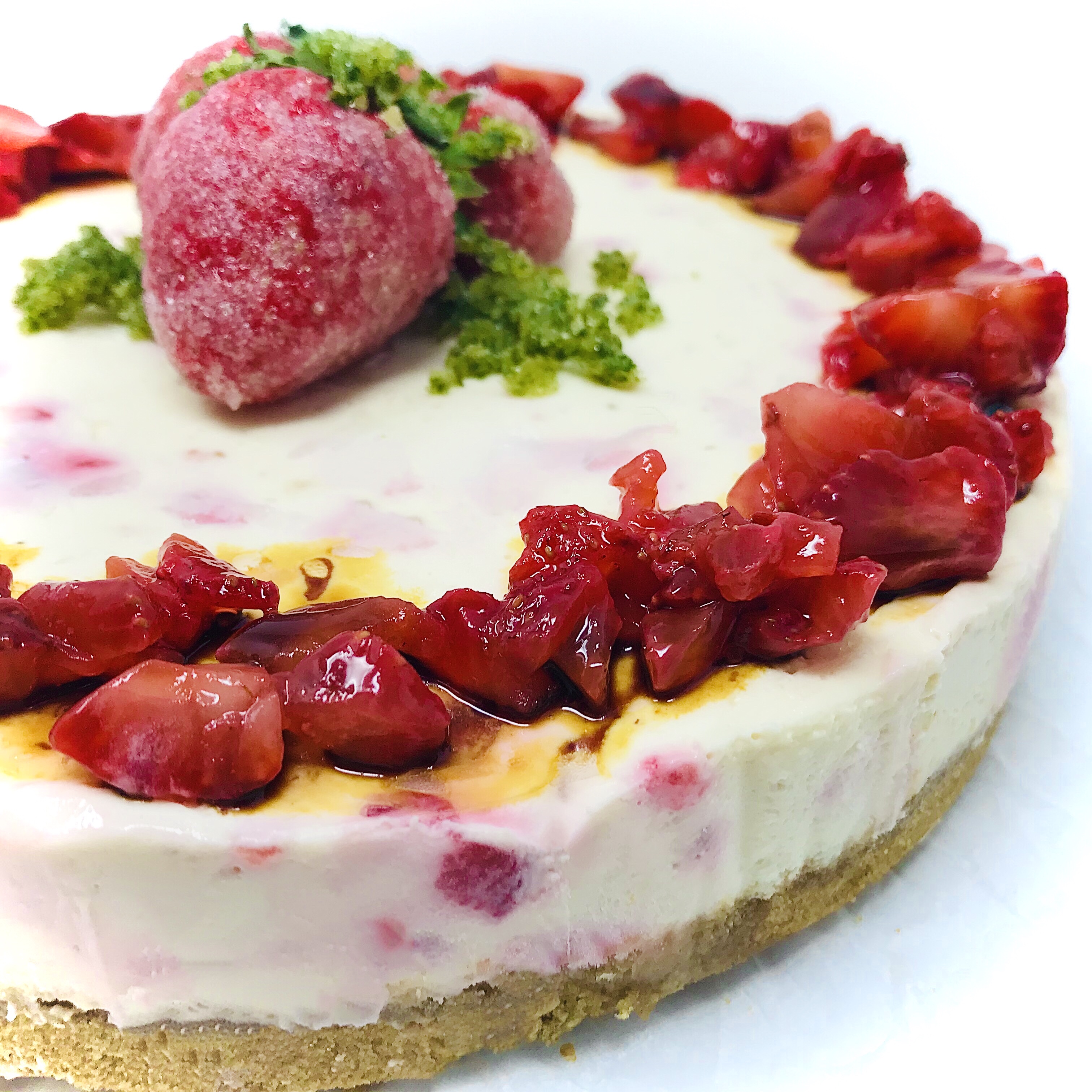
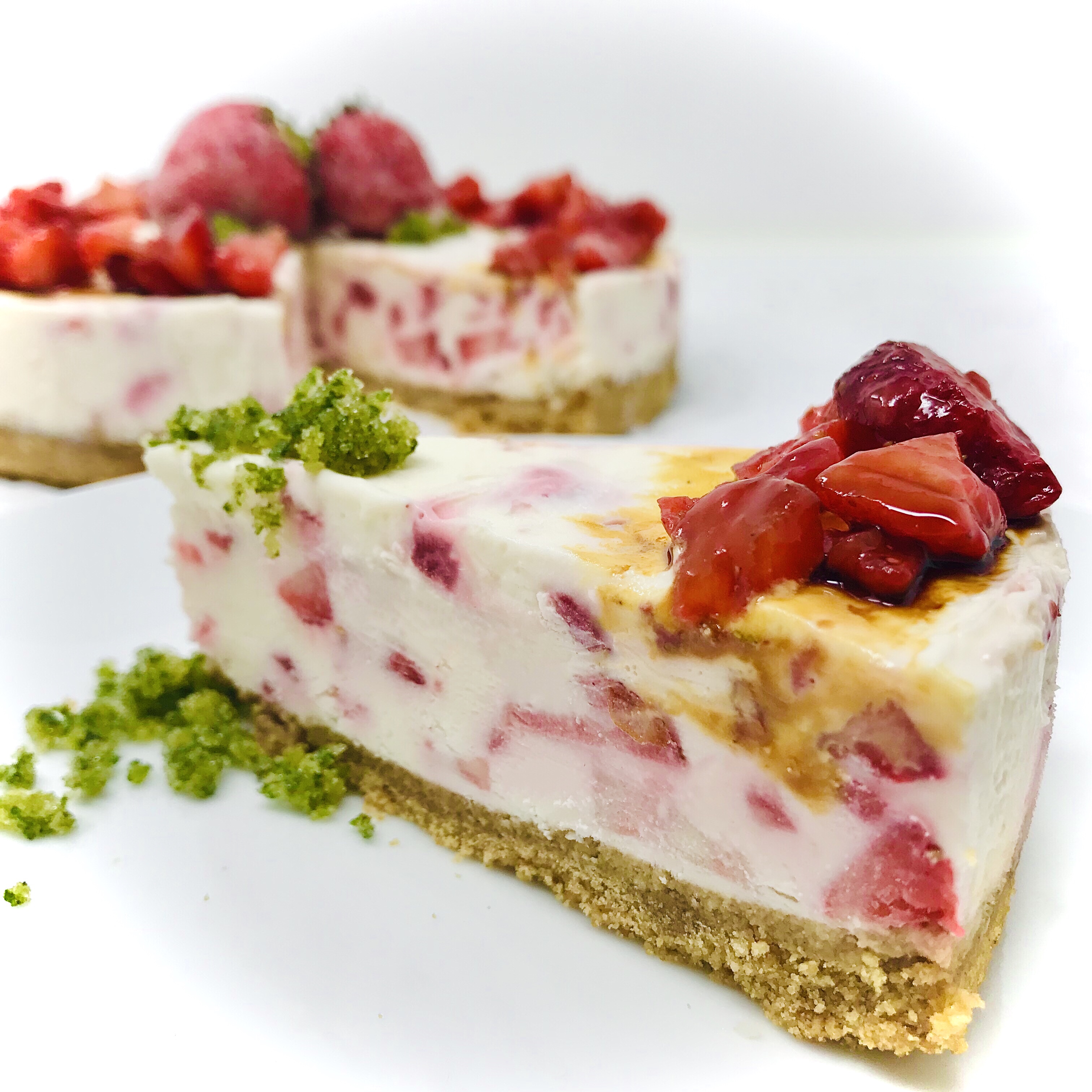
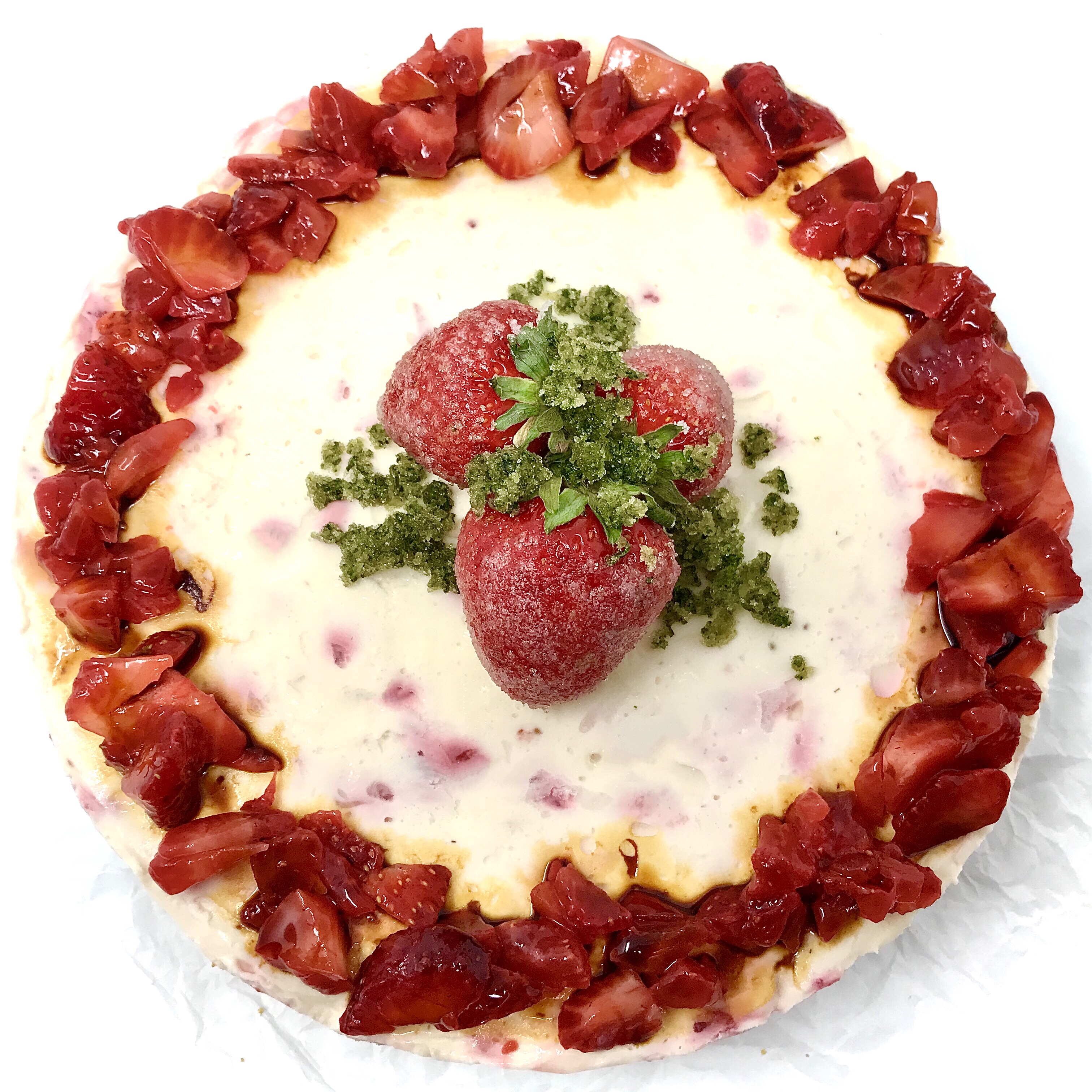
Strawberry & White Chocolate Frozen Cheesecake w/ Basil sugar

img_7672

Waaaaay back when, before cupcakes or brownies were my thing, cheesecake was my kitchen staple. Every Sunday, while my mom prepared Sunday roast dinner, I would be sent to amuse myself (and keep from under her feet) with a box of cheesecake mix. Yes- a box mix…we all have to start somewhere. after all. Whilst the brand name eludes me, it basically consisted of  two plastic packets…and that was it. A packet of crumb for the base, so far so good. The piece de resistance? A packet of dehyrated “cream cheese” powder. This was to be whisked with milk, poured on the prepared crumb base and left to set. Sounds delish, huh? Well to be honest it was- at least to 8 year old me. I experimented with various fillings and toppings but no matter how I tried to persuade myself it always tasted the same. But what did I care? I merrily dug in, spoon in hand full of exuberant abandon and prepubescent gusto.

So flash forward nearly 35 years and I have an endless debate going on- Baked or Non-baked? I’ve come to the conclusion that seasonal is best. Baked is my go-to during the colder brackets of the year, and the no-bake/ chilled variety is of course more suitable for the warmer stints of the year. And so we end up here- with frozen cheesecake.

The freezing element of this recipe is not strictly necessary but it does help with achieving a much more stable filling. It’s also utterly addictive to have the frozen cheesecake layer slowly melt to creamy goodness on your tongue, with bursts of berry pieces, in the sweltering summer heat. As I mention in the recipe, once your initial freezing is done you can easily store in the fridge if you prefer a more chilled approach to things. A word to the wise though- this cheesecake is best eaten sooner rather than later so park your guilt and happily dig in- all in the line of duty!

The additional finishing elements here are entirely optional. If you’re happy with the straight-forward, no fuss-no muss cheesecake then feel free to leave it at that- it’s plenty tasty as is. But lets face it- prepping the basil sugar and macerated strawberries isn’t exactly hard work and the end result of flavor explosions are completely worth it. Yes the addition of the herb Basil, so often a stalwart savory element of Italian cooking, might seem a bit of weird but the slightly anise, pepperiness stops the sweetness of  berries becoming cloying. The burnt caramel-like birch syrup used in the macerated strawberries also lends a hand in this way.

A google search for chilled strawberry cheesecake will yield numerous results but I like to think of this as an escalated version of that ultimate summer dessert of strawberries and cream, with each of the additional treatments adding to give you that delicious end result that just oozes summer decadence.

img_7676


Ingredients

Cheesecake Base

  • 1 1/2 cups Graham cracker crumbs (apx 10 full crackers, crushed)
  • 5 tbspns salted butter
  • 1/3 cup brown suar
  • 1 tbspn ground cinnamon

Cheesecake filling 

  • 5oz White chocolate, broken in to pieces
  • 12oz Full fat cream cheese, at room temperature
  • 1 cup Icing sugar
  • 1 tbspn Vanilla extract
  • 1 tbspn Maple syrup, or honey
  • 1 cup Whipping cream
  • 1 lb Strawberries, chopped small

Basil sugar

  • 1/2 cup Granulated sugar
  • 1/4 cup Fresh basil leaves, torn

Macerated strawberries

  • 1 cup Strawberries, chopped small
  • 3 tbspns Birch syrup

img_7671

Method

Cheesecake base

  1. Preheat oven to 300 degrees F
  2. Double line a 9″ cake pan (2″ high sides) or spring-form tin. Set aside until needed
  3. Heat a thick-bottomed pan on medium heat. Add the butter and stir until melted
  4. The butter will start to foam up a bit, then subside. Watch carefully as lightly browned specks begin to form at the bottom of the pan, and the foam starts to turn brown in spots. Smell the butter; it should have a nutty aroma
  5. Remove from the heat and pour the brown butter into a bowl to stop it from cooking further
  6. Add in the dry ingredients and stir until evenly combined
  7. Press the butter mixture into your prepared tin.  Use the back of a large spoon or measuring cup to press the crumbs into an even layer on the bottom of the tin
  8. Bake in the preheated oven for 10 mins
  9. After the cooking time remove from the oven and allow to cool fully before filling

Cheesecake filling

  1. Melt the chocolate in a bowl over a pan of simmering water, or in the microwave in 20 second bursts, stirring occasionally,  until full melted. Set aside to cool whilst preparing the rest of the filling
  2. In the bowl of a stand mixer combine the icing sugar, cream cheese, vanilla extract and maple syrup. Beat on medium speed until smooth and silky
  3. In a separate bowl whip the whipping cream until soft peaks. Transfer into the stand mixer bowl with the cream cheese mixture and beat on medium speed until thick
  4. Pour in to the cooled melted white chocolate and beat on medium until combined
  5. Remove the bowl and fold the chopped strawberries into the cream cheese mixture for a couple of minutes
  6. Pour the strawberry cream cheese mixture over the crumb base and smooth
  7. Gently press a layer of cling wrap over the surface of the cheesecake to protect it while it freezes. Place the cheesecake flat in the freezer for 3 hours until lightly frozen
  8. While the cheesecake freeze prepare the basil sugar

Basil sugar

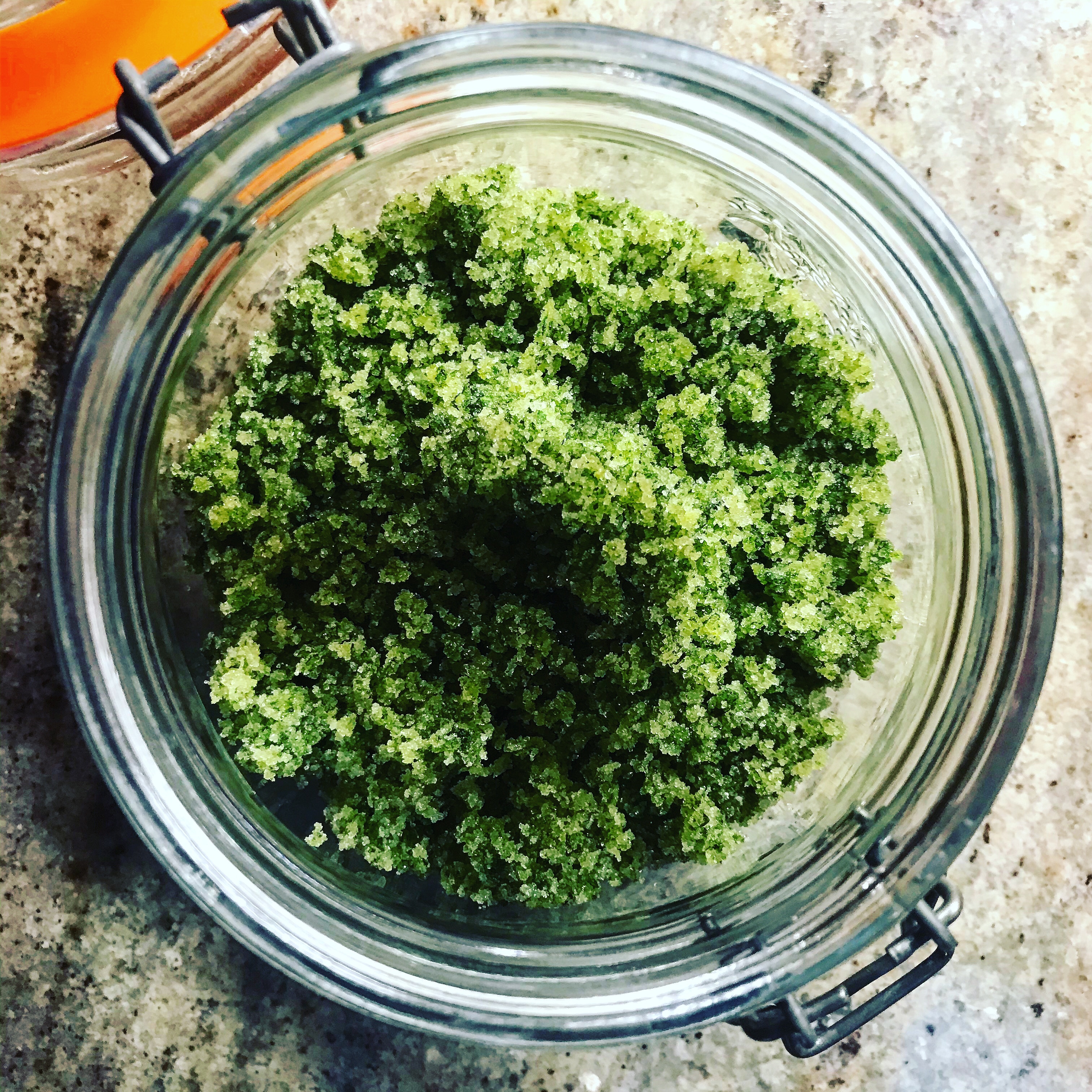
  1. In a food processor, pulse the sugar and basil until uniform in color and nicely green. Store in a airtight jar in the fridge for up to 2 weeks. Shake/ stir the jar and contents occasionally to redistribute the flavor
  2. Set aside until needed for this recipe

cc614a07-7e0e-4cc3-b5e3-805b6edfa2a0

Macerated strawberries

  1. In a bowl, stir to combine the chopped strawberries and birch syrup.
  2. Cover and refrigerate until needed
  3. Stir well prior to using

To assemble and serve

  1. Remove the cheesecake from the freezer approximately 10 minutes before serving
  2. Run a warm knife under hot water and use to run the rim of the tin to loosen the cheesecake edge. Remove from the tin and garnish with basil sugar, macerated strawberries. Again use a warm knife to slice the cheesecake into portions
  3. If you prefer a more standard chilled cheesecake, remove from the freezer 2 hrs before serving and allow to defrost in the fridge prior to slicing and serving

The cheesecake will keep in the fridge, lightly wrapped in cling wrap for up to 3 days.

(I also used some sugar dipped strawberries on top. Lightly whisk 1 egg white until frothy. Lightly paint the berries with the egg white and dip in fine sugar to coat. Allow to set at room temperature for apx 4 hrs. Use as a garnish)

img_7676


Golden Coconut Shortbread

a9fe5f0b-2a7a-4a1d-931f-4ebf3156ab5f

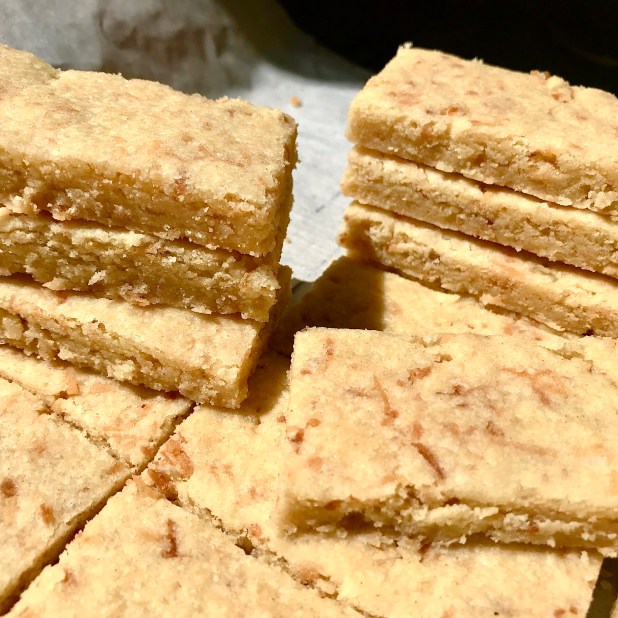
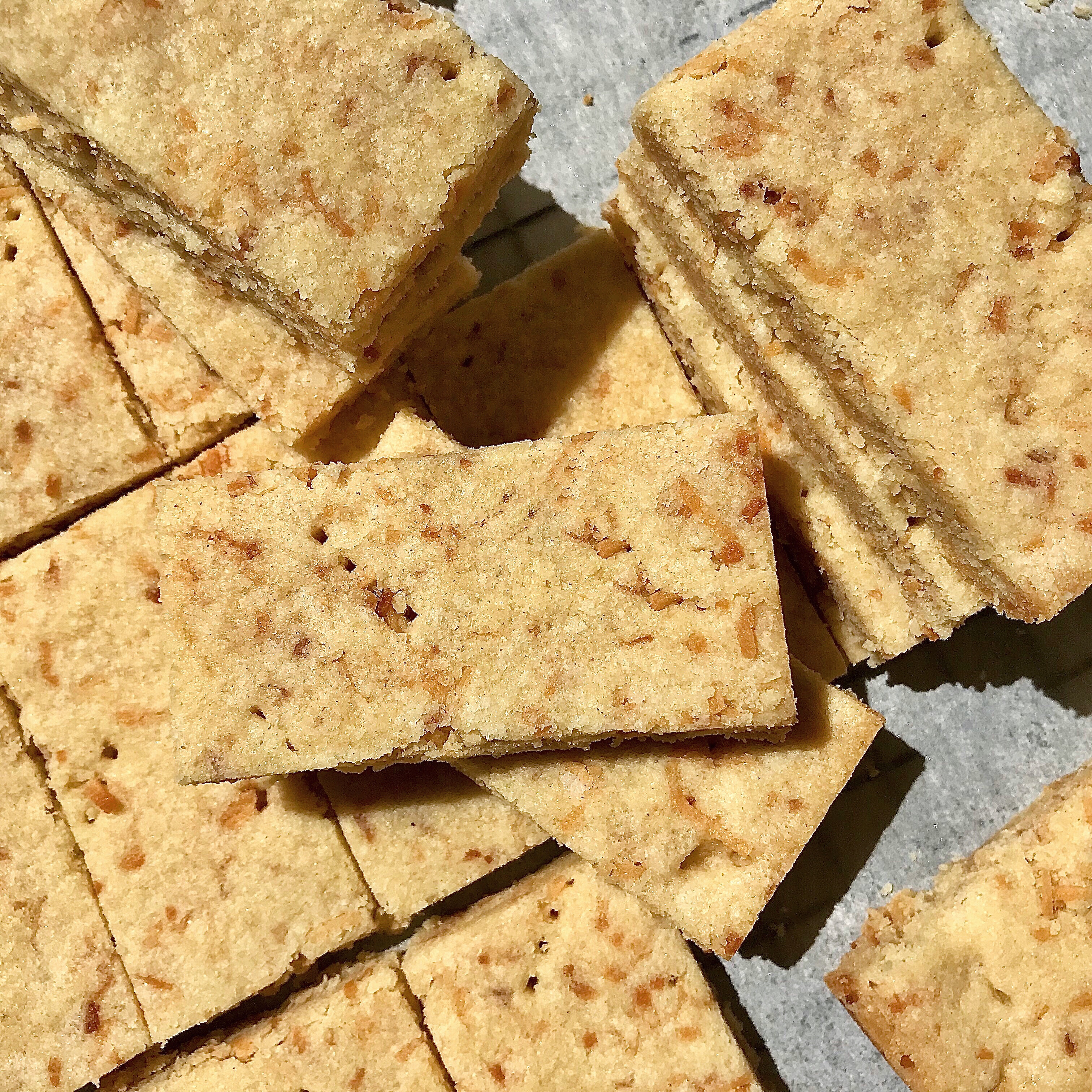
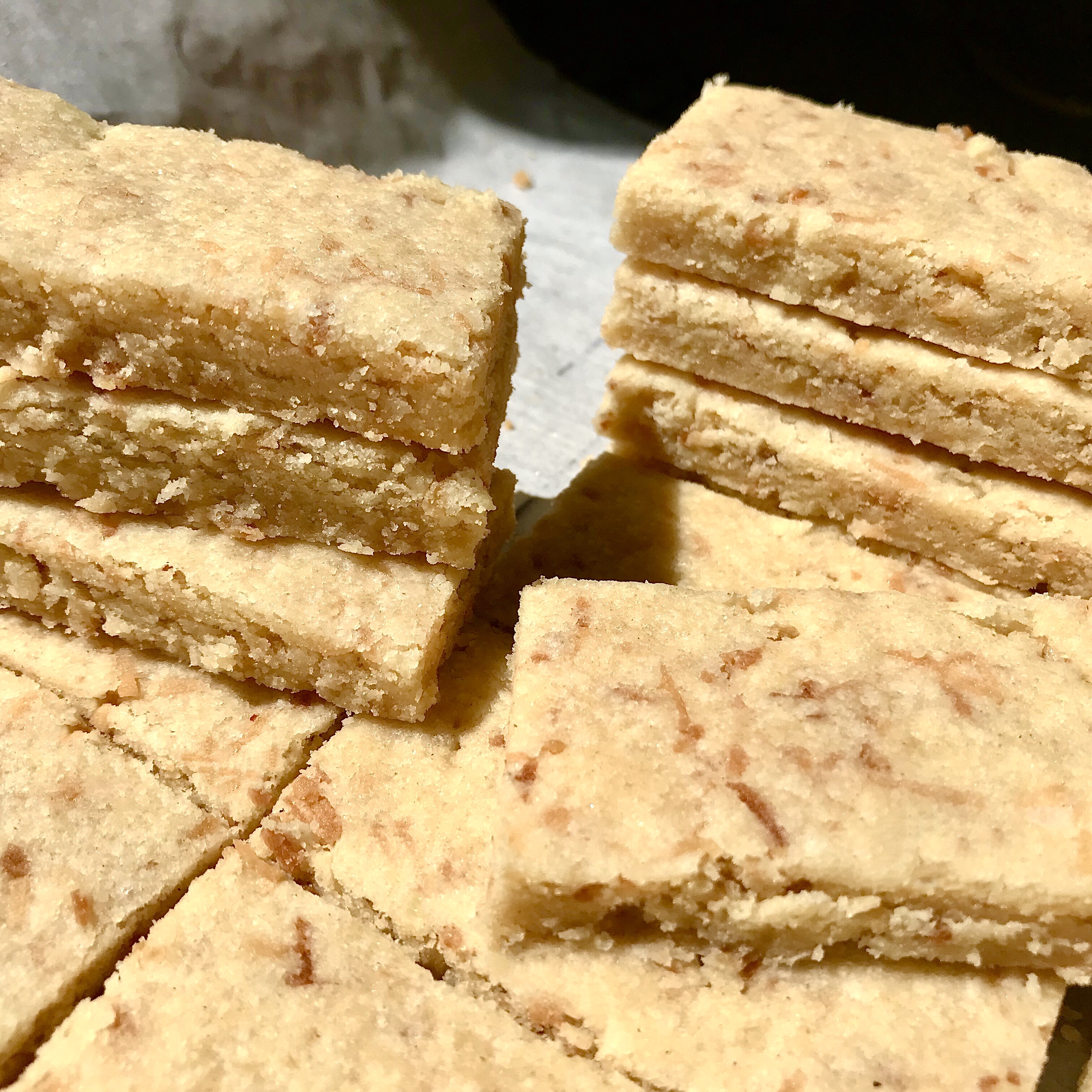
Shortbread is the stuff of legend in our house. Having a family that is Scottish means they’re well qualified to judge what falls in the parameters of acceptability. A fussy bunch they are and rightly so. Many a commercial highland cookie has fallen for being “too crumbly”, “not buttery enough” or “too damp” to name a few of criticisms. So I set about experimenting to find that correct combination of ingredients that would yield a shortbread that crumbly enough with falling to pieces; buttery enough would feeling too greasy or damp in your mouth and crisp enough to yield enough with a satisfying snap. In the words of everyone’s favourite flaxen haired domestic critic, “Just right”.

The historic recipe for shortbread hails from Scotland and in it’s basic form is one part sugar; two parts butter and 3 parts plain flour. Time and tide has, like many an ancestral recipe, meant that the original recipe has been tweaked and adjusted with many families input and alterations.

My recipe here has been tweaked from an original from my mom. I found the additions of the more unusual dry ingredient of semolina, rice flour and cornstarch increase the more desirable textures of crispness and crumbliness without marring the buttery taste. The inclusion of the ancient grain flour of Red Fife was purely a whimsical  addition as I was exploring baking with differing flour types at the time. It adds a subtle nutty flavor to the finished shortbread cookie that works really well with the signature butteriness of the cookie. And the toasted coconut? Well who doesn’t like toasted coconut?

img_6492

Ingredients

  • 1 cup shredded coconut
  • 1 cup AP Flour
  • 2/3 cup Red Fife flour
  • 1/3 Semolina
  • 2 Tablespoons Rice Flour
  • 1 1/2 Tablespoons Cornstarch
  • 1/2 cup and 2 tablespoons fine sugar, divided
  • 1/2 Teaspoon Kosher salt
  • 1 cup/ 2 sticks salted butter, cold and cubed

Method

  1. Lightly grease and line a 9″ x 12″ traybake tin
  2. In a pan over a medium heat toast the shredded coconut until fragrant and lightly browned. Remove from heat and set aside until needed
  3. In a large bowl combine the flour, semolina, rice flour, cornstarch, sugar and salt. Whisk together to further combine
  4. Add in the cubed butter and rub together with your fingertips until the mixture is just beginning to bind together. Every so often do a  quarter turn of the bowl to make sure you’re using all the dry mixture. You’ll want a texture somewhere between breadcrumbs and damp sand before you stop. Be wary of overworking the butter into the mixture – you want to avoid a dough that is feels slimey from the butter melting too much into the dry ingredients
  5. Tip in the toasted coconut and lightly rub in with your fingers until combined
  6. Tip the crumb mixture into your prepared tin and press the dough so that it forms a solid layer. Level the surface with the back of a spoon or measuring cup, making sure the mixture is evenly spread and uniform. Prick all over with a fork
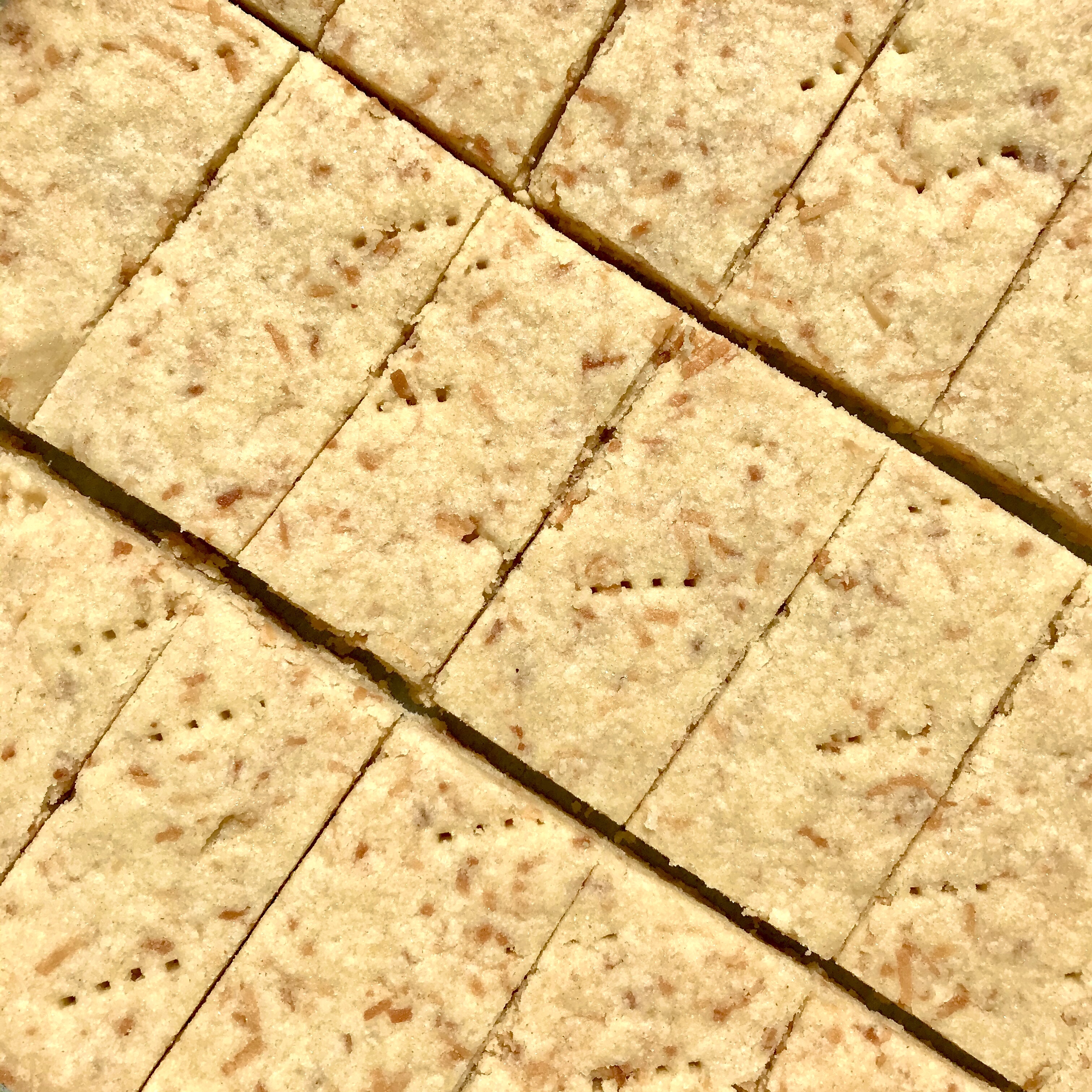
  7. With a knife or pizza cutter score the shortbread into 24 rectangular pieces (2 cuts by 7 cuts) taking care not to actually cut the full way through
  8. Refrigerate for 30 mins minimum
  9. Preheat your oven to 325°F
  10. Remove the shortbread from the fridge and bake for about 35 minutes or until a very pale golden brown.
  11. Remove from the oven and cut fully through the baked shortbread with a knife or pizza cutter at the score lines you previously made
  12. Sprinkle with remaining 2 tablespoons of fine sugar and leave to cool in the tin for 15 minutes. Carefully lift the fingers out of the tin with a palette knife or the parchment paper overhang and finish cooling on a wire rack
  13. Store in an airtight tin for up to a week

img_6494