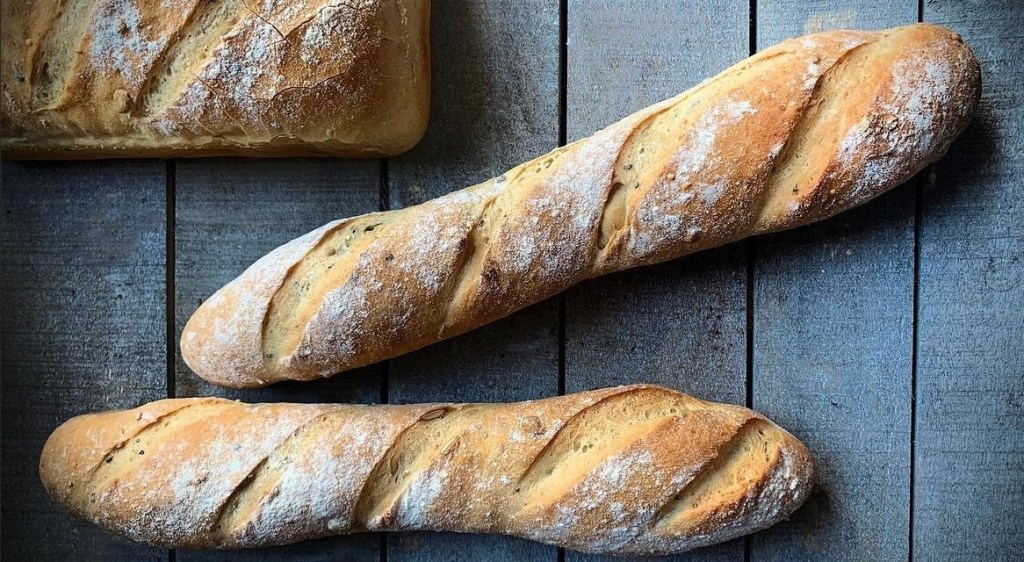
Bread Making Tips- National Homemade Bread Day

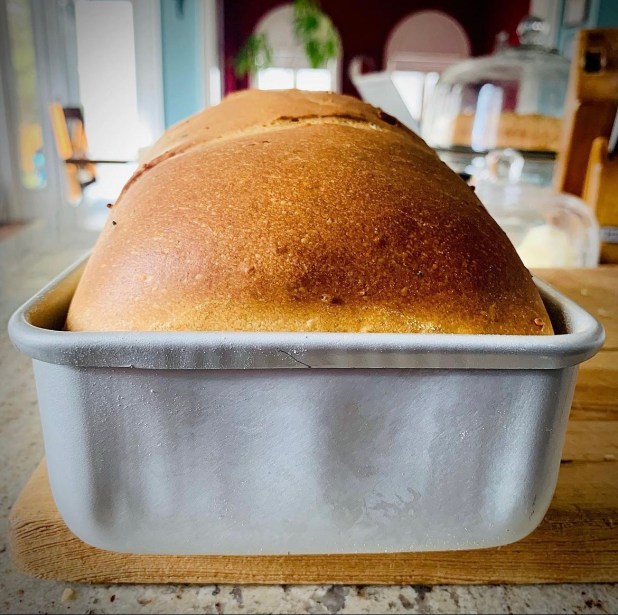
November 17th is National Homemade Bread Making day so I thought to share some tips, tricks and insights into bread making as I’ve learned over the years. Don’t get me wrong- I am by no means saying the I am the fountain of all things bread based- in the beginning I baked some loaves that were frankly crimes against humanity! But one of the lesser known ingredients in a good loaf is…perseverance. Mistakes will be made- try to see them not a signs of failure but rather as chances to learn. Making even a simple loaf of bread can be immensely rewarding, not to mention therapeutic in these hectic times. Its a skill that’s easily learned and long lasting. If you;ve never made a loaf of bread before, congratulations- you have a delicious new word to explore in front of you.

Here are my top tips when it comes to bread making (those that require more information I’ll expand on later in the post)-

  1. Check your yeast expiry date. It may sound obvious but it a mistake often made. Yeast is a living thing and as such can die over time. Using an expired yeast in your bread making is a non-starter from which there is no return.
  2. The water that you use should be warm, just above body temperature. If you use water that is too hot, you’ll probably kill your yeast (remember- it’s a living thing); if you use water that’s too cold you won’t activate the yeast and it’ll remain sleepy.
  3. Try using Autolyse method. More on that later.
  4. When adding yeast to your dough, add it to one side of the bowl. To the other side add your salt and sugar. Adding salt and sugar directly on top of the yeast can cause a reaction and have them kill your yeast.
  5. In your dry ingredients try using a dough enhancer (dough conditioner). This is a dry ingredient which can help boost the properties of your dough mixture. Again more on that later.
  6. Don’t let your dough proof too long. Optimum time is between 60-90 minutes. If you leave it any longer you run the risk of the dough collapsing back on itself. However if you’re proofing it in the refrigerator, you can increase this so it can be done overnight with no ill effects.
  7. When baking your loaf, try adding a baking pan with a couple of inches of water to the bottom of your oven. This creates a steam environment which gives your finished loaf a wonderful, toothsome crust.
  8. Try adding in a pinch of Vitamin C powder, or a splash of leom/ orange juice. This creates a more acidic environment which aids the gluten bonds giving a better structure to your loaf. You don’t need to do this is you’re already using a dough enhancer/ conditioner.
  9. Let your baked loaf cool completely before slicing. The structure of a warm loaf hasn’t set, or fixed, yet and as such if you were to slice it you will squash and unduly tear the slices.
  10. While bread is ideal for freezing for enjoyment at a later date, please don’t keep your bread in the fridge. This does anything BUT keep it fresh for longer. It will in fact dry it out quicker resulting in a less tasty slice at a quicker rate.
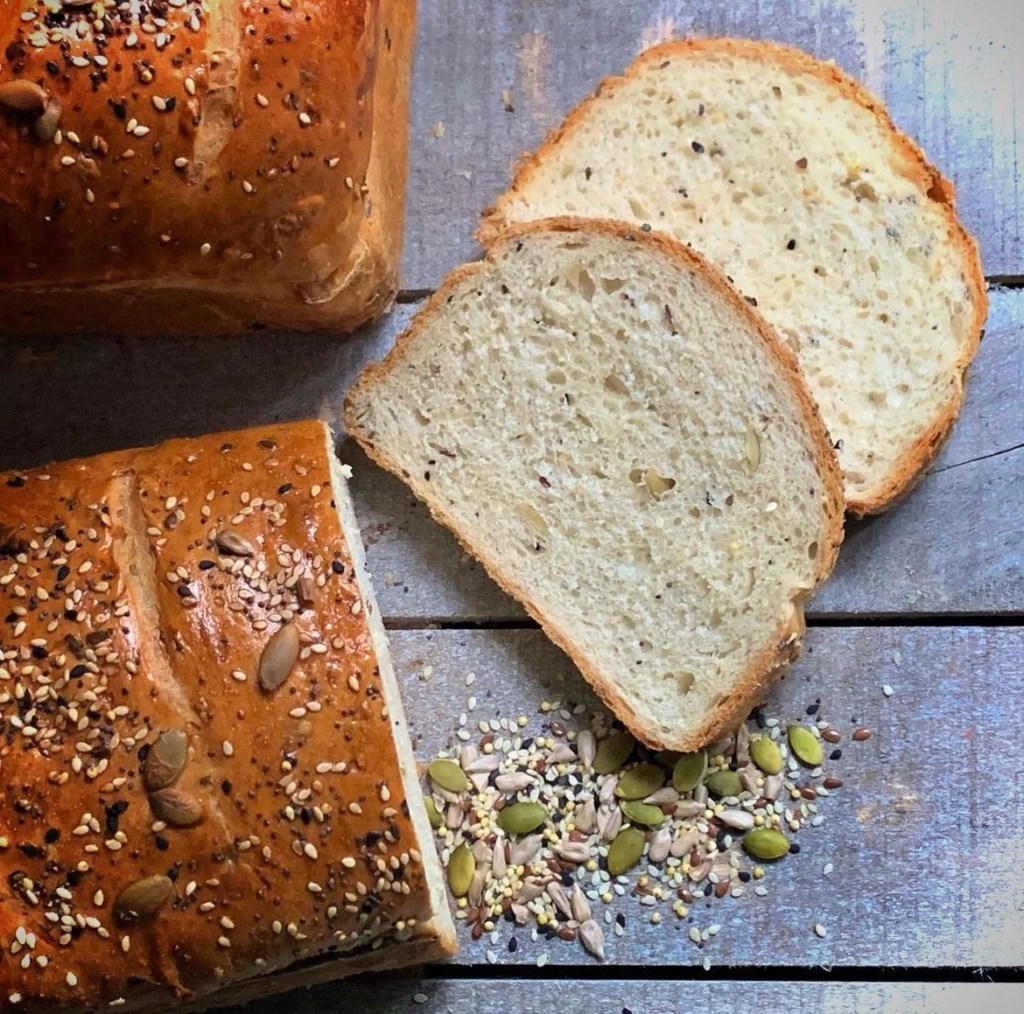
The Autolyse Method

This is simply adding your water to your flour, mixing it and letting it rest before adding any remaining ingredients. Once completely mixed, ensuring that there are no pockets of dry flour, the flour/ water mixture is set aside for between 20 to 60 minutes. During this time a number of reactions take place that benefit your bread making.

  • The flour gets properly soaked and hydrated which aids the development of gluten strands. This gluten strand development helps cut down the kneading time required later on
  • Fermentation takes place at a slower pace allowing for a more enhanced flavor and better keeping time to yout baked loaf
  • The carotenoids present remain intact and this helps the final desired color, flavour and aroma of the baked loaf
  • The dough’s elasticity is massively improved allowing better workability, a better rise and a more pleasing, open crumb to your loaf when sliced

*When using the Autolyse method you add instant yeast after the autolyse is complete, dissolve them in a small amount of warm water (1 ounce) reserved from the autolyse
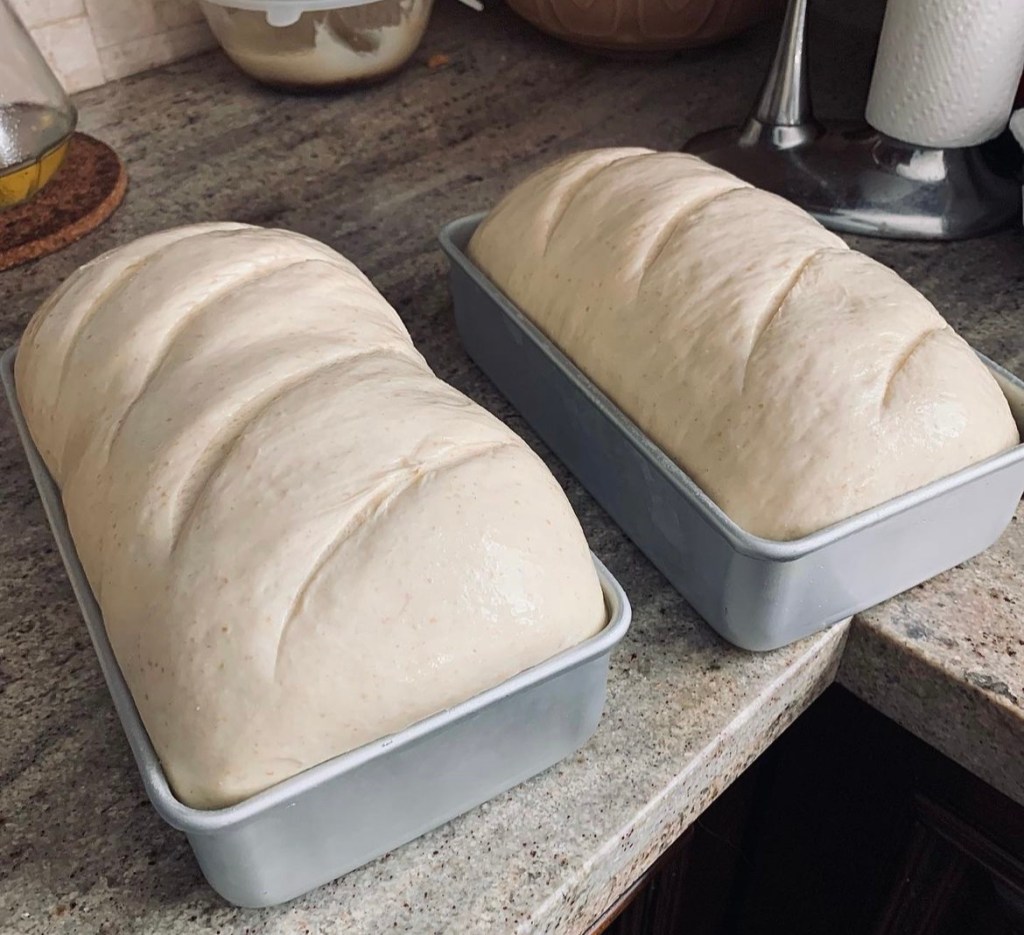
About Dough Enhancer (Dough Conditioner)

This is a dry ingredient added to your dough mix, made up of a number of ingredients which boost your doughs basic properties. Think of it as a “food supplement” to your dough. Typically a dough enchancer/ conditioner will be made up of

  • Gluten- Additional gluten to that already present in your bread flour helps gives your dough some extra muscle. It will amke your dough more elastic and easy to work
  • Acidic Element- Typically Viamain C or Asorbic Acid this acts to strengthen the gluten bonds that from around the bubbles caused from the yeast reaction in the mix. It also acts to boost the effectiveness of your yeast, as well as improving the longevity of the finished loaf.
  • Lecithin- This helps gives your finished load a lighter, softer texture akin to a store bought loaf but within the mass production nasties. Better rising is also a side-effect of this addition. It also helps increase the keeping quality of your bread, giving you some extra time to enjoy.
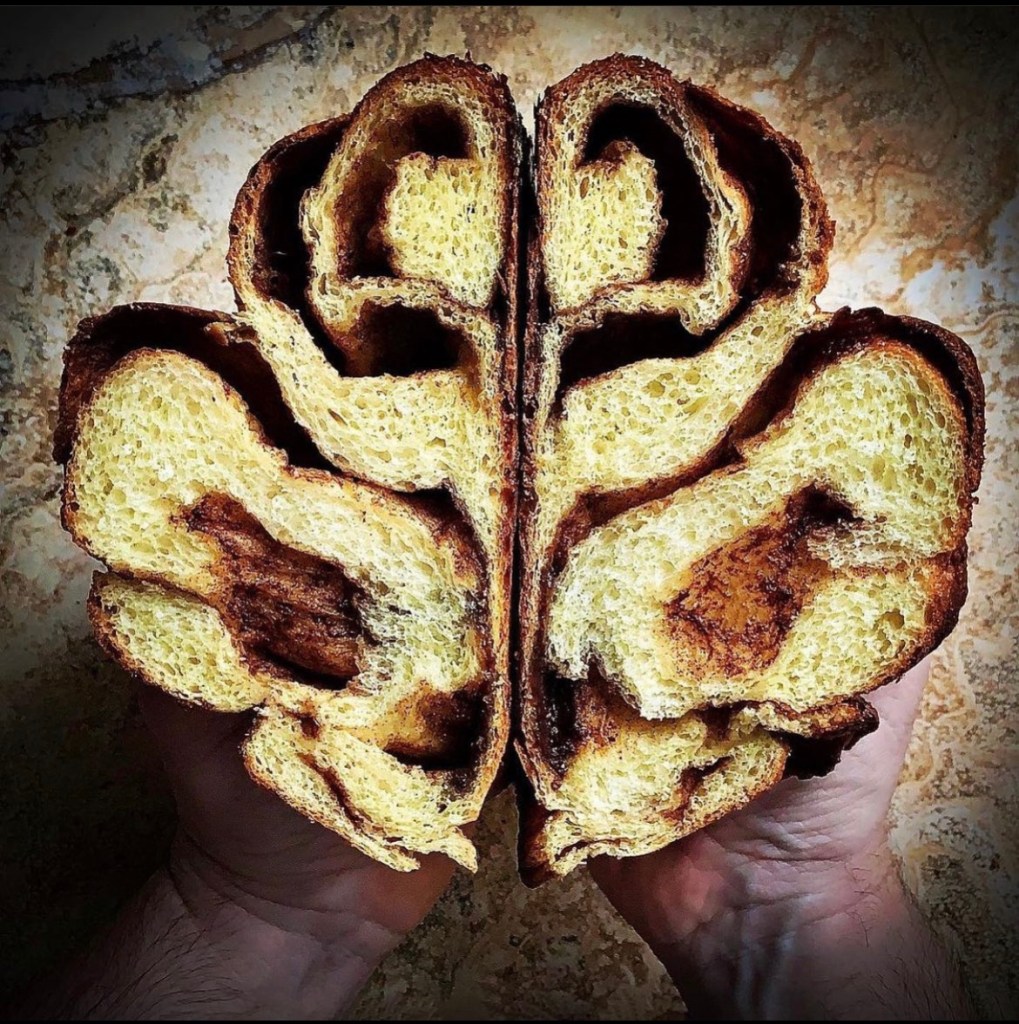
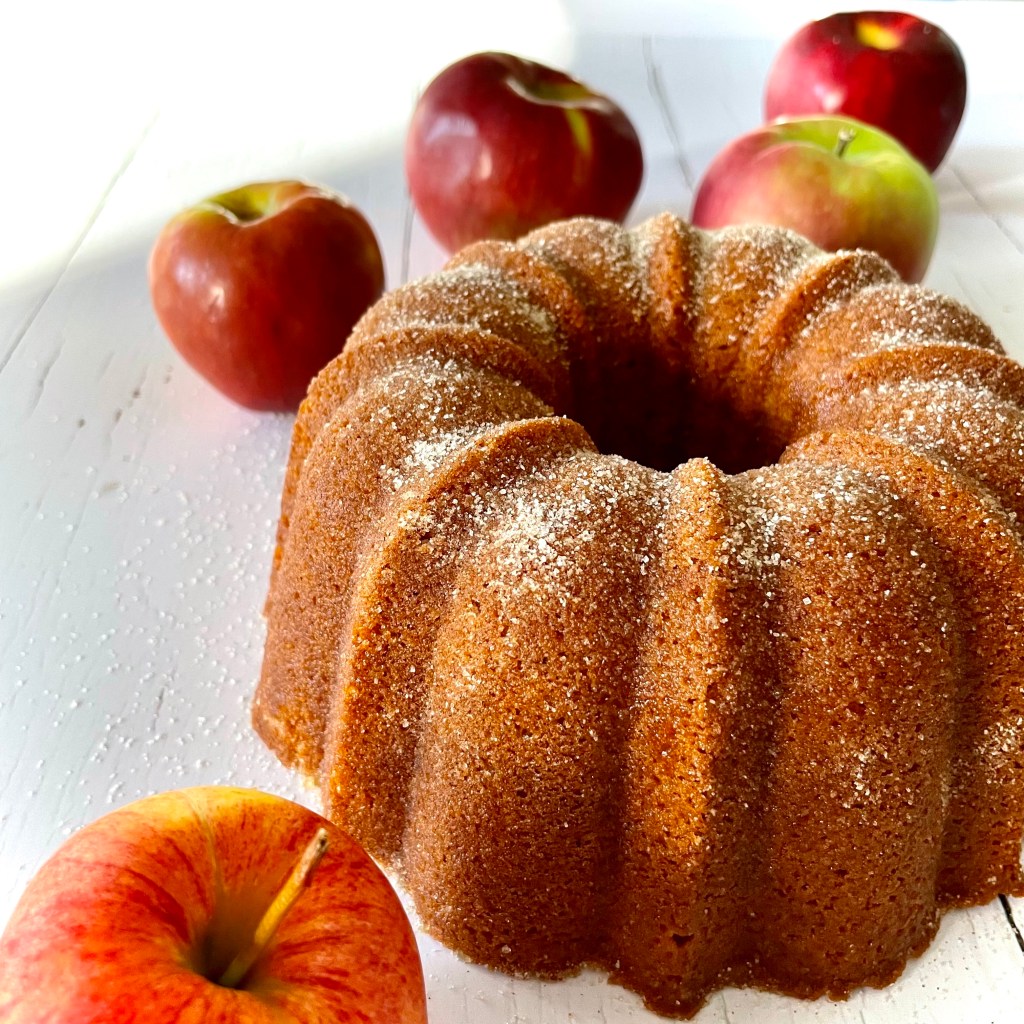
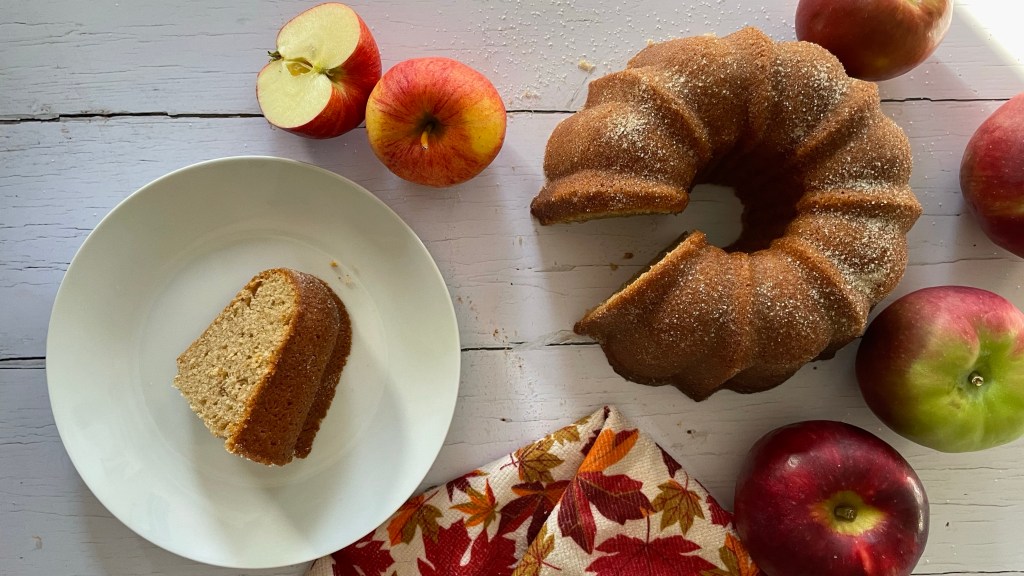
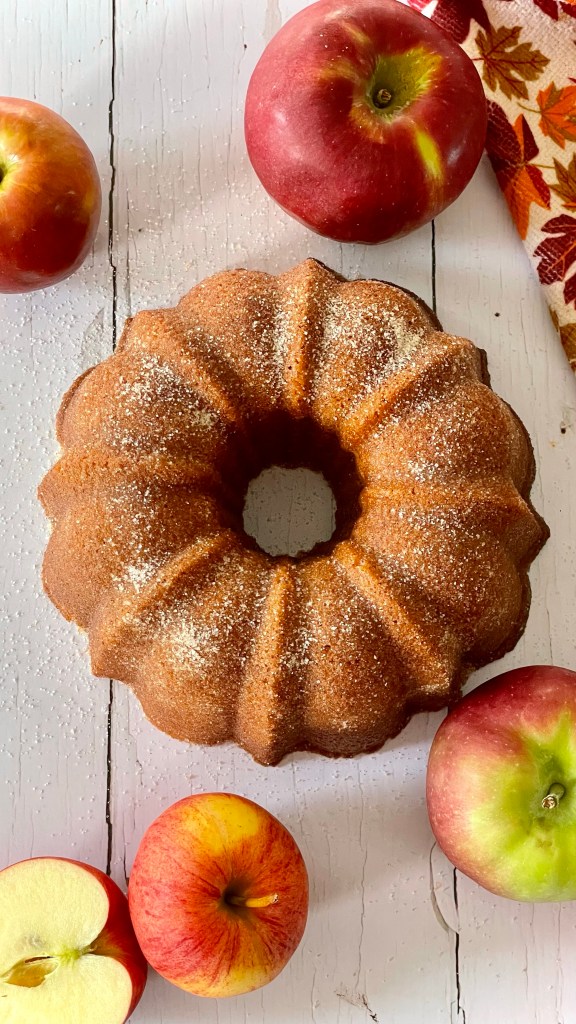
Apple Cider Bundt Cake

Makes 1

Ingredients

Cake

  • 2 cups apple cider
  • 2 cups unbleached all-purpose flour
  • 1 cup Red Fife flour
  • 1 1/2 teaspoons baking powder
  • 1 1/2 teaspoons apple pie spice mix
  • 1/2 teaspoon baking soda
  • 3/4 teaspoon salt
  • 1 3/4 cups sugar
  • 3/4 cup extra-virgin olive oil
  • 2/3 cup buttermilk, room temperature
  • 3/4 cup unsweetened applesauce
  • 2 teaspoons pure vanilla extract
  • 3 large eggs, room temperature

Coating

  • 2 Tablespoons butter, melted
  • 1/4 cup sugar
  • 1/2 teaspoon ground cinnamon
  • 1/2 teaspoon Baobab fruit powder (optional)

Method

  1. Add the apple cider to a medium pan, and over a medium heat boil to reduce to 1/3 cup quantity. Remove from heat and allow to cool
  2. Preheat oven to 350 degrees
  3. Prepare a 12-cup bundt pan by liberally spraying with baking spray, or generously grease with butter and flour. Pay special attention to all those crevices and folds
  4. In a large bowl, whisk together both flours, baking powder, cinnamon, baking soda, and salt
  5. In separate bowl, whisk together sugar, cooled cider concentrate , oil, applesauce, vanilla, and eggs
  6. Add egg mixture to flour mixture; whisk until combined, making sure there are no flour pockets
  7. Transfer batter to prepared pan, and bake for 45- 50 minutes, until a tester inserted in center comes out clean
  8. Transfer pan to a wire rack set over a rimmed baking sheet; let cool 15 minutes
  9. While the cake cools make the coating. Mix together remaining sugar, cinnamon and Baobab fruit powder
  10. After 15 minutes, turn the cake out onto a cooling rack set over some baking parchment
  11. Brush with melted butter, then sprinkle liberally with the sugar coating. Let cool completely before serving

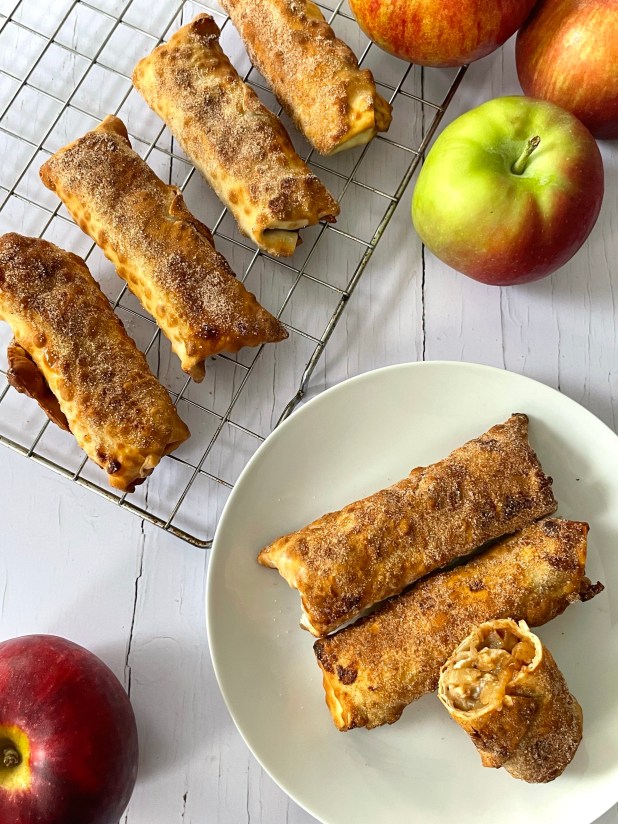
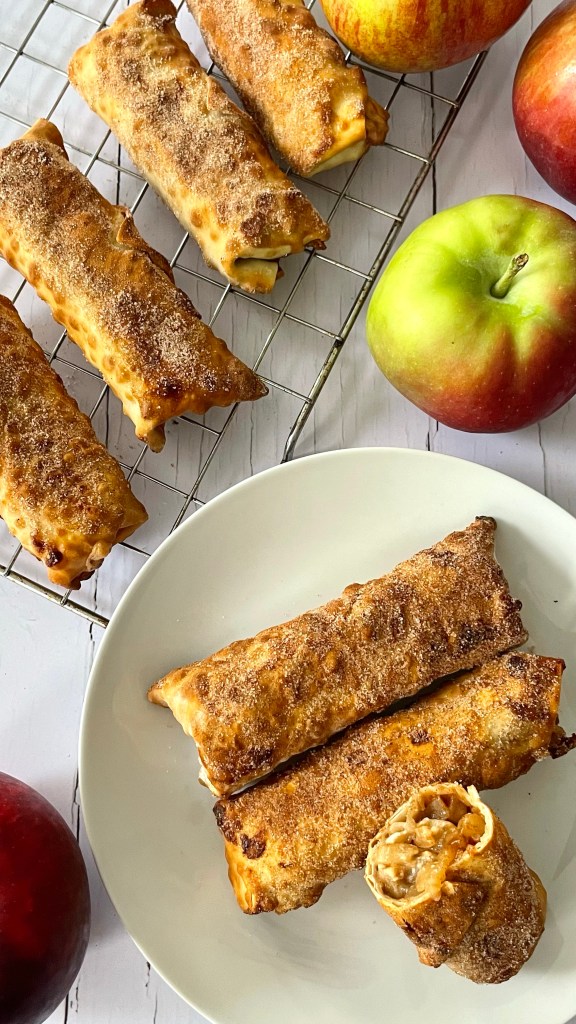
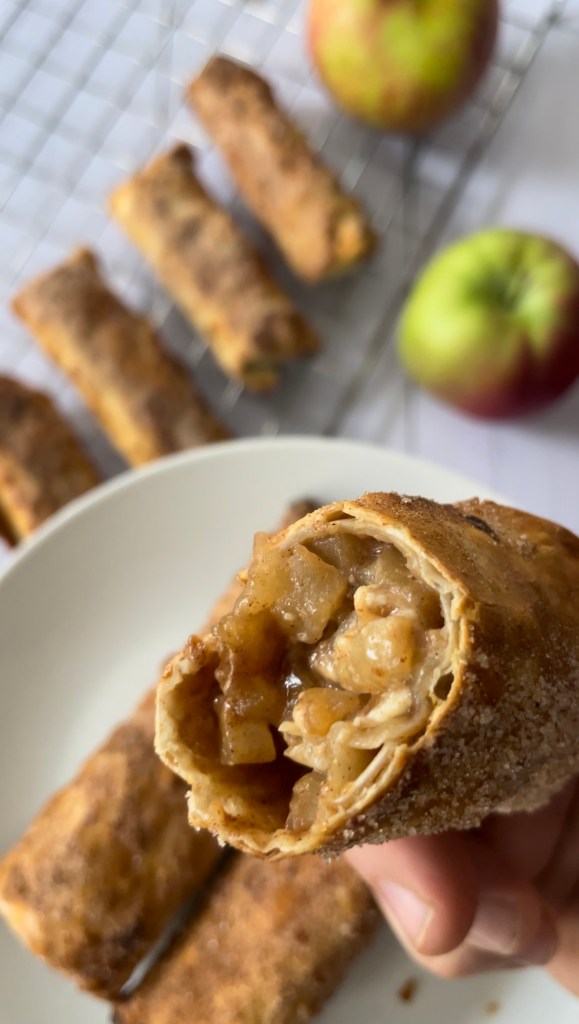
Air Fryer Apple Pies

Makes 8

Ingredients

  • 3 cups peeled apples, diced
  • 1/2 cup packed brown sugar
  • 2 and 1 teaspoons ground cinnamon, divided
  • 1 teaspoon cornstarch
  • 8 egg roll wrappers
  • 1/2 cup cream cheese, room temperature
  • 2 tablespoon sugar

Method

  1. Preheat air fryer to 400°.
  2. In a small bowl, combine apples, brown sugar, 2 teaspoons cinnamon and cornstarch and mix well
  3. With a corner of an egg roll wrapper facing you, spread 1 scant tablespoon cream cheese to within 1 in. of edges.
  4. Place 2-3 tablespoons apple mixture just below center of wrapper
  5. Fold bottom corner over filling; moisten remaining wrapper edges with water. Fold side corners toward center over filling. Roll egg roll up tightly, pressing at tip to seal. Repeat with remaining egg roll wrappers
  6. In batches, arrange egg rolls in a single layer on greased tray in air-fryer basket; spritz with cooking spray (I usally do mine in 2 batches of 4)
  7. Cook until golden brown, 5 minutes. Turn; spritz with cooking spray. Cook until golden brown and crisp, usually another 5 minutes.
  8. On a separate plate, combine sugar and remaining 1 teaspoon cinnamon; roll hot egg rolls in mixture to coat (using a tongs help!)
  9. Serve and enjoy! (Leave to rest for about 5 minutes as the internal filling can be quite hot!)

*If you’re upscaling this recipe for more than 8 apple pies, I’ve found it best to make and cook 8 at a time. Any more and you risk letting the ones sit uncooked becoming soggy

**Cooked apple pies can be quickly reheated in your air-fryer preheated at 350F for 3 minutes

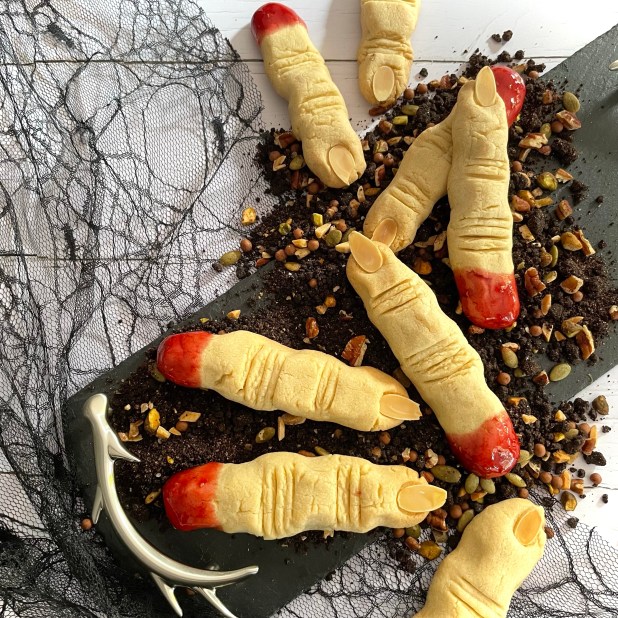
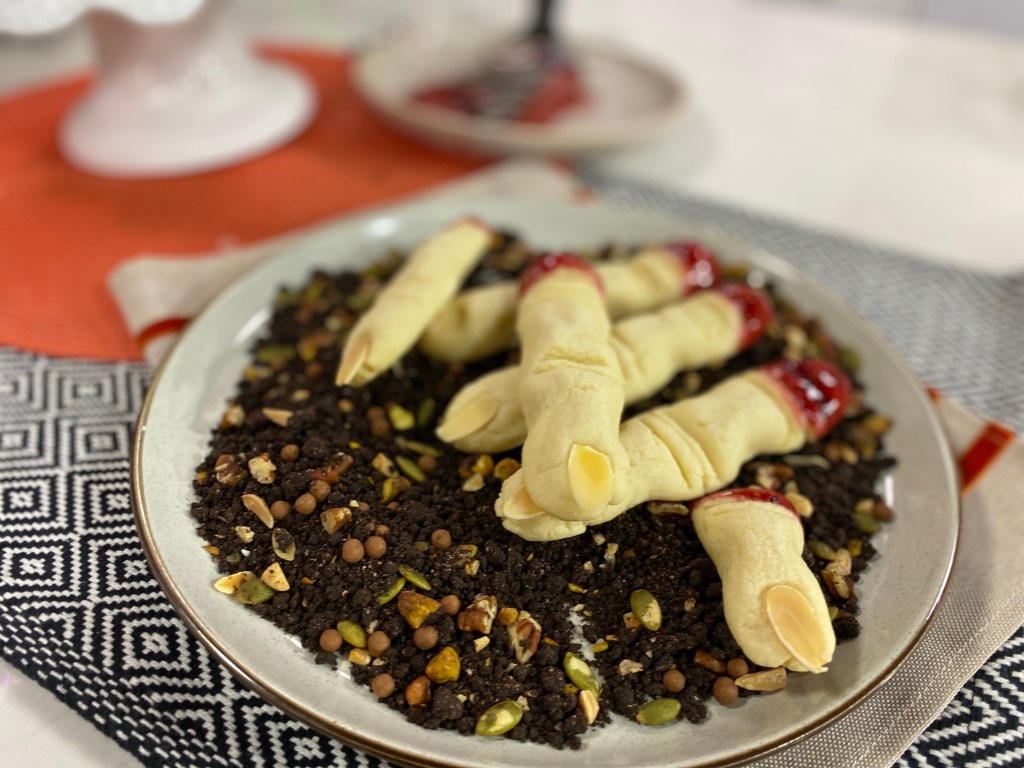
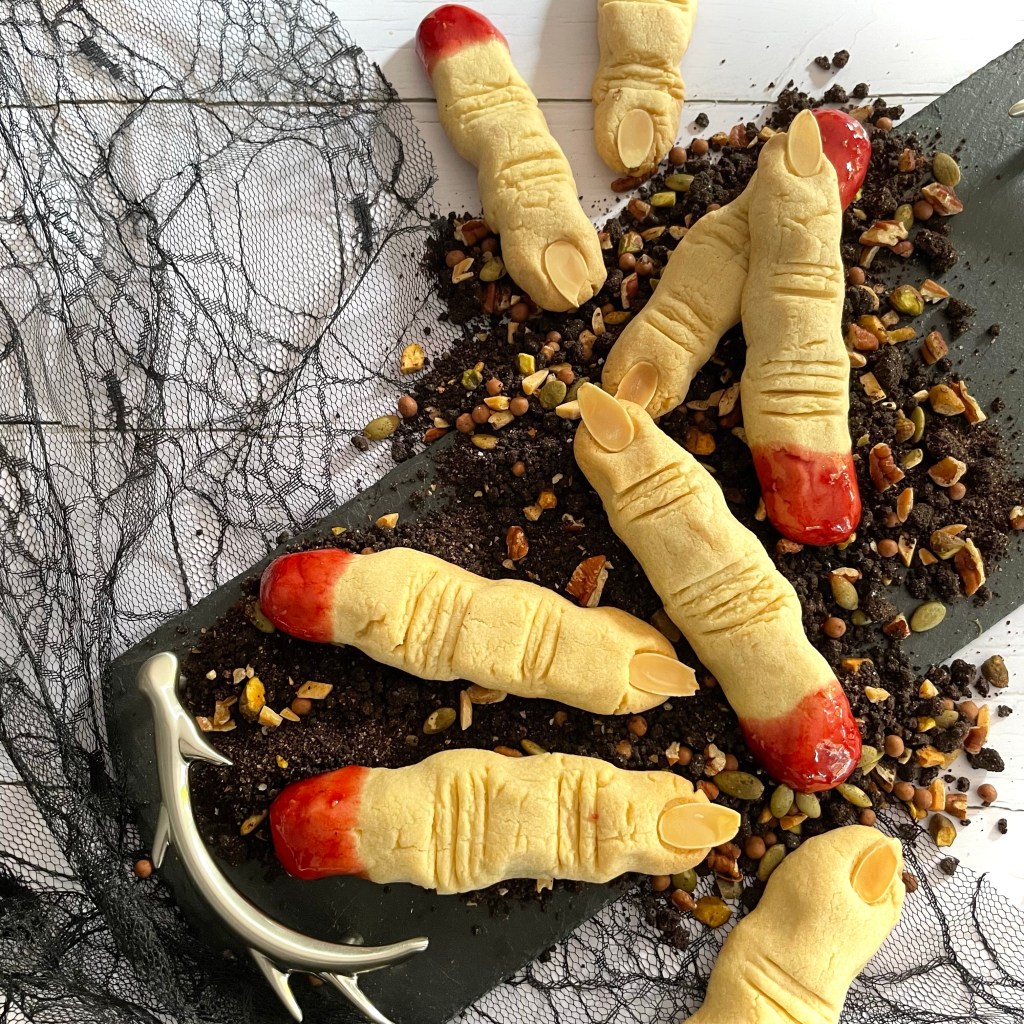
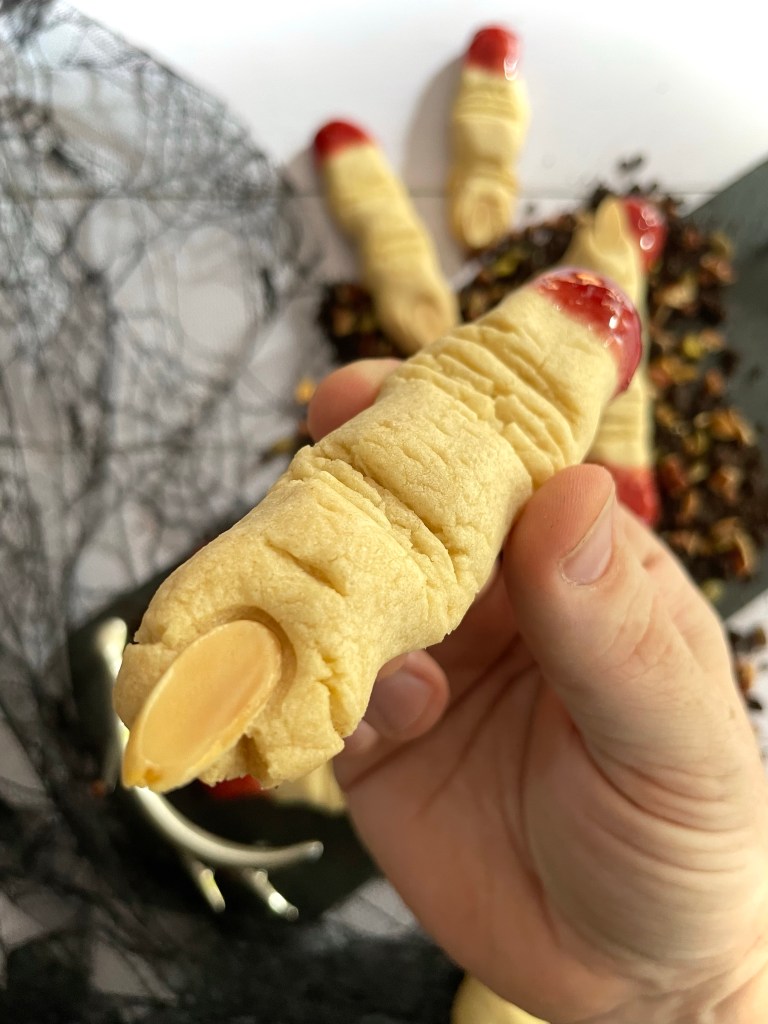
    Dead Man’s Fingers

    What’s Halloween without a little treat from the Other World, huh? These delightfully dreadful cookies are a wonderful treat to have lying around at any festively freakish gathering. A spin on traditional sugar cookies, they really do look more than the sum of their parts. They’re also easy enough that you can rope in some ghoulish little helpers for the fun.

    A point to note that like all sugar cookies, you want to avoid baking them to the usual cookie state of “golden brown”- this will result in them being a tad too hard for enjoyment. Bake them for the time required below, or until hte edges are just starting to turn a light golden brown. The cookies may look under-baked but trust me here- they will taste so much better!

    Makes apx 24 (depending on size)

    Ingredients

    Graveyard Dirt

    • ¼ cup butter; melted
    • 1 Cup granulated sugar
    • 1 Cup cocoa powder
    • ½ pinch salt
    • slivered almonds; chopped walnut; shaved dark chocolate; shaved milk chocolate (Optional)

    Fingers Cookies

    • 2 cups All Purpose Flour
    • ½ teaspoon baking powder
    • ¼ teaspoon fine salt
    • ½ cup (1 stick) unsalted butter, at room temperature
    • 1 cup sugar
    • 1 large egg, at room temperature
    • 1 teaspoon pure vanilla extract
    • 28 large, flaked almonds
    • ½ cup smooth, raspberry jam
    • 1 Tablespoon light corn syrup

    Method

    Graveyard Dirt

    1. Melt butter in the microwave in a small glass or ceramic bowl (microwave safe) and allow to cool to room temperature
    2. In a large mixing bowl, blend the sugar, salt, and cocoa powder until thoroughly mixed
    3. While whisking, slowly add the melted butter and continue mixing gently until blended, but dry
    4. Using a fork, continue mixing until it looks like dark soil
    5. At this stage mix in the chopped nuts to give the soil texture
    6. Spoon the “dirt” on to your serving plate or tray, ready for your finger cookies

    Fingers Cookies

    1. Preheat the oven to 325 degrees F. Prepare a cookie sheet with baking spray or line with a silicone mat, or baking parchment. Set aside until needed
    2. In a medium bowl, whisk together the flour, baking powder and salt. Set aside until needed
    3. In the bowl of a stand mixer fitted with the paddle attachment, beat the butter and sugar together until light and fluffy, scraping down the sides of the bowl with a spatula as needed, about 10 minutes
    4. Add in the egg, vanilla and mix until well combined and smooth.
    5. Gradually beat in the dry flour mixture, ¼ cup at a time until a dough forms
    6. Remove the bowl and using about 1 1/2 tablespoons of dough at a time, roll the dough between your palms into 5-inch-long fingers about 1/2-inch thick. Firmly press a sliced almond into the end of each finger to make fingernails
    7. Make several horizontal cuts, about 1/4 inch deep, in the center of each finger to make mimic skin folds at the knuckles. Gently press the dough on either side of the cuts to shape the knuckles
    8. Arrange the fingers on the prepared baking sheet and bake until light golden, 16 to 18 minutes
    9. Transfer the fingers to a wire rack and cool completely
    10. While the cookies cool, in a small saucepan, combine the jam, corn syrup and heat over low heat until warm, about 2 minutes, stirring gently
    11. Dip the blunt ends of the fingers in the warm jam and arrange on a plate of the graveyard dirt for serving

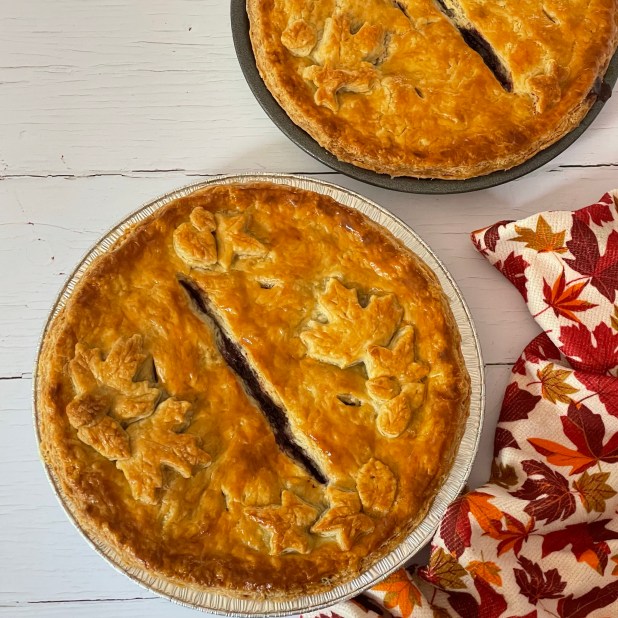
    Saskatoon Berry Pie

    Makes 1x 9inch double crust pie

    Ingredients

    Pie Crust

    • 2 ½ cup all-purpose flour
    • 4 teaspoon granulated sugar
    • 1 teaspoon salt
    • 1 cup cold unsalted butter, diced
    • 1/2 cup ice water

    Filling

    • 4 cups fresh, or frozen, Saskatoon berries (if using frozen berries, thaw and drain)
    • ½ cup granulated sugar
    • 3 ½ tablespoon corn-starch
    • 1 teaspoon almond extract
    • ½ teaspoon ground nutmeg
    • 1 tsp. fresh lemon juice
    • 2 tablespoons chilled butter, cut in small pieces

    Filling

    1. Add all sauce ingredients to a medium bowl and stir well to ensure the berries are well coated. Set aside until needed. See note * in step 6 below

    Pie Crust

    1. Combine the flour, sugar and salt in a large mixing bowl or a food processor.  Whisk or pulse briefly until combined
    2. Sprinkle the diced butter evenly over the dry ingredient mixture until the butter is evenly dispersed into pea-sized (or smaller) bits.  If using a food processor, briefly pulse the butter and dry ingredients together 5 to 7 times until the butter is evenly dispersed into pea-sized (or smaller) bits, then transfer the mixture to a large mixing bowl
    3. Sprinkle the dough evenly with the ice water. Use a spatula to quickly mix the water into the dough until it is evenly combined, and the dough begins to form moist clumps.  (If the dough is not sticking together, you can add 1 or 2 more tablespoons of water to help it clump.)
    4. Using your hands, quickly pack the dough into a ball. Divide into 2, then flatten the dough balls into 3/4-inchthick disks
    5. Wrap the dough disks tightly in plastic wrap, then refrigerate for at least 1 hour, or up to 3 days, until ready to roll out and use
    6. When ready to bake the pie, preheat your oven to 425 F, remove one disk from the refrigerator and let rest for 10-15 minutes. (*I usually prepare the filling at this point)
    7. Roll on a lightly floured counter until least 12 inches in diameter and about 1/8 inch thick
    8. Gently fold the rolled-out dough into quarters and carefully transfer dough to the pie dish, and gently press the dough into the sides of the plate without stretching it
    9. Using a knife to trim off any excess pastry, leaving about a 1-inch border of crust around the top of the pie plate. Carefully lift and fold the outer 1/2-inch edges of the crust back under itself, pinching the crust gently to sculpt an upstanding ridge
    10. Chill this pie crust in the refrigerator while you make the lid using the second disk of dough
    11. When ready, fill your pastry lined pie dish with the filling and dab the chilled butter pieces on top
    12. Cover with the second (top) pastry disk and pinch the edges together to seal. Use a small knife of scissors to make slits/ vents in the top crust
    13. Transfer your pie to the preheated oven and bake for 15 minutes, then reduce temperature to 350 F and bake for a further 45-50 minutes, until the filling is bubbling through the slits and the top is golden brown. (If the edges start to brown too quickly, cover with foil)
    14. Once baked remove the pie from the oven and leave to cool on a wire rack before serving